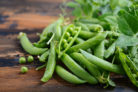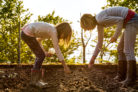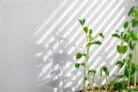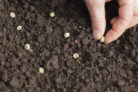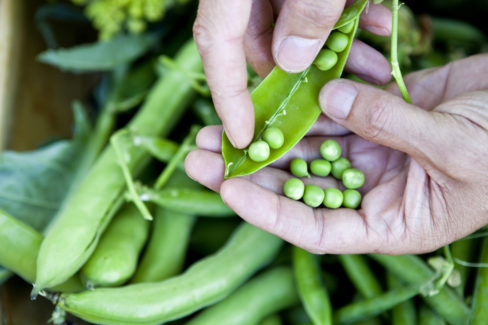
Depending on how you plan to use them, you can enjoy a pretty long harvest window for peas in your garden. To get the best flavor and storage life, there are a few tips to keep in mind, especially since the timing changes depending on which variety you’re growing.
When to Harvest
Generally, pea season kicks off around June. You might get a head start if you started them indoors or are growing a specific early-season specialty, but June is the standard.
If you’re harvesting early, you’re usually picking the whole pods for cooking. If you’re waiting for the peas inside to plump up, they’ll need a bit more time on the vine. For dried peas, you’ll want to wait until at least fall. You also need to let them fully mature and dry out if you’re planning on saving your own seeds for next year!
Harvesting Snow Peas and Sugar Snaps
With sugar snaps or snow peas, the goal is to eat the whole pod. Because of that, you want to catch them while the pods are still tender and the peas inside are tiny and soft. In fact, you can pick them before you can even see the outline of the peas through the pod.
Don’t wait too long with these! If they get too old, the pods become tough and stringy. If you do miss the window, your best bet is to let them keep growing until the peas are large enough to shell.
Harvesting Garden Peas (Shelling Peas)
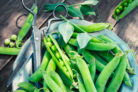
Garden peas (also known as English peas or shelling peas) are super versatile. If you catch them very early, you can actually eat them pod-and-all. Most people, however, wait until they are “green peas”—plump and sweet. The cool thing is that if you miss a harvest window, you can just wait for the next stage. By fall, any leftovers can be harvested as dried peas.
Shelling dried peas by hand can be a bit of a chore. If you have a big haul, you can thresh the peas yourself. Just pop the dry pods into a burlap or linen sack and give it a few good whacks against the ground. The pods will shatter, and you can easily sift out the dried peas afterward.
Harvesting Field Peas
Field peas (or soup peas) have a very tough outer pod that isn’t tasty even when young. You’ll always want to shell these. You can wait until they are fully mature and dry on the vine to use them as dried peas for soups and stews.
If you want to eat them as fresh green peas, pick the pods when they feel firm and look “swollen.” Don’t let them sit around too long after picking, though—if they get past their prime, they’re better off being left to dry. Since these often ripen all at once, you might end up with a huge harvest. If you have more than you can eat, peas are incredibly easy to freeze for later!