Peas are one of the most low-maintenance crops you can tuck into your garden. While they do need a little extra TLC a few times throughout the season, for the most part, they’re a “set it and forget it” kind of plant that won’t add much to your weekend chore list.
Choosing Your Seeds
Before you get your hands dirty, you’ve got to decide which varieties you actually want to eat! Peas generally fall into three main categories, each with its own unique flavor and texture.
Types of Peas:
- Shelling Peas (English Peas)
- Garden Peas (Snap Peas)
- Snow Peas
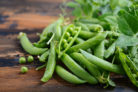
With snap peas and snow peas, the pod is the star of the show—you can eat the whole thing! Shelling peas, on the other hand, need to be “shucked.” You only eat the tender peas inside because the pods are tough, woody, and sometimes unpleasantly fibrous. When you’re browsing seed packets, keep an eye out for disease-resistant pea varieties. This is especially important for avoiding fungal issues that can ruin your entire harvest before it even starts.
Starting Peas Indoors
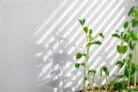
One option is to start your peas indoors to get a head start. However, a word of caution: peas are total divas when it comes to their roots—they hate being disturbed. Plus, transplanting dozens of tiny seedlings can be a real pain. A clever “pro tip” for indoor starting is using sections of rain gutters.
You can buy plastic guttering at any hardware store and fill it with potting soil. Just poke a shallow trench down the middle, drop in your seeds, and let them grow. When it’s time to move them to the garden, you just dig a long trench and gently slide the entire row of soil and seedlings right into the ground. Cover it up with a little extra dirt, and you’re good to go!
That said, you usually don’t *need* to start peas indoors. Unlike beans, peas are cool-weather fans and don’t need much heat to sprout and bloom. There are even “winter peas” that you can plant in the fall for an early spring harvest. But if you’re itching for the earliest harvest possible, pre-starting them is the way to go.
Direct Sowing in the Garden
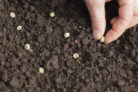
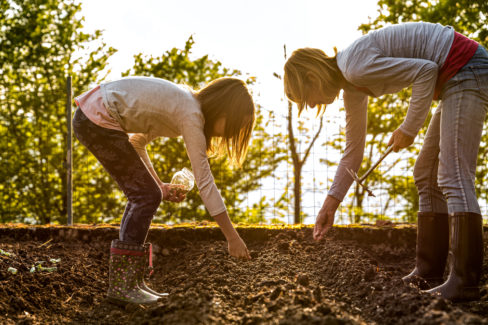
The easiest way to get your pea patch going is to sow the seeds directly into the ground. Peas love nutrient-rich soil, so it’s a great idea to mix in some organic fertilizer beforehand. Compost, well-aged manure, or bone meal work wonders. Aim for about 2 inches (5 cm) between each seed. The space between your rows depends on the variety: tall, vigorous growers need about 16 inches (40 cm) of space, while dwarf varieties are happy with just 8 inches (20 cm).
How to Plant Your Seeds:
- Prep the soil until it’s nice and crumbly.
- Dig a trench about 1.5 inches (4 cm) deep.
- Space your seeds evenly along the trench.
- Cover them with soil and give the ground a light pat.
- Give them a good drink of water.
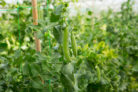
Don’t forget that peas need something to climb on. A simple wire mesh, trellis, or even sturdy chicken wire works perfectly. If you plant two rows side-by-side, you can stick a trellis right in the middle for both rows to share. You can also go old-school and use “pea brush” (stuck-in twigs), but honestly, harvesting is much easier with a wire grid since you won’t have to hunt for pods hidden deep inside a bunch of branches!