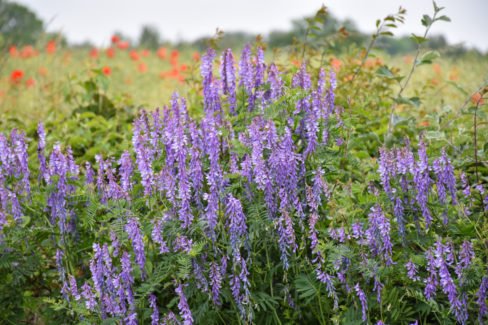
Every sweet pea and vetch out there can benefit from a little trim, but not all of them should be treated the same way. The trick is knowing exactly what you’re growing in your garden. Believe it or not, some of the plants we call “wickes” or peas aren’t even true vetches!
True Vetches vs. Sweet Peas
In the gardening world, you’ll run into true vetches (the *Vicia* genus), like the well-known edible bird vetch. On the other hand, the classic sweet pea—often called the garden pea—actually belongs to the *Lathyrus* genus (everlasting peas). They look so much alike that most people just call them all “peas” or “vetches” without a second thought. When it comes to pruning, though, the real deal-breaker isn’t the genus; it’s whether you’re dealing with an annual or a perennial. Both groups have varieties that live for just one season or come back year after year.
Pruning Annual Sweet Peas
Annual sweet peas are the ones we usually sow directly in April or start indoors in February. Once they sprout, these guys take off! With a good trellis, these climbing plants can easily top 6 feet. Since their entire life cycle only lasts a few months—basically the length of their blooming season—we only prune when it helps the plant perform better.
- Snip off flowering stems to enjoy in a vase.
- Deadhead faded flowers regularly to keep new buds coming.
- Trim the plant back if it gets unruly or needs shaping.
- Always prune in the morning, cutting just above an outward-facing bud.
- Pull the entire plant out of the garden bed in the fall.
Pro Tip:
Annual sweet peas aren’t winter hardy, so you’ll need to replant them every spring. Starting in late summer, leave a few spent blooms on the vine so you can harvest the seeds for next year!
Pruning Perennial Peas
Perennial varieties, like the common vetch, also need regular deadheading. This doesn’t just keep the plant looking tidy; it helps the plant save energy for new blooms instead of putting it all into seed production. I also recommend giving perennials a light “haircut” in the summer to encourage them to branch out and get bushier.
In the fall, the top growth of the perennial will die back, and it won’t sprout again until spring. You *can* cut the old foliage down to about 4 inches above the ground in autumn—just make sure to cover the base with brush or mulch if you live in a colder climate. However, I think it’s better to wait until spring to do your big cleanup. Those dried-up stems actually act as a natural winter coat for the roots!