It’s honestly amazing how those thin, delicate-looking vines can produce such stunning, vibrant flowers. That’s exactly why sweet peas are the undisputed stars of any garden fence! If you get their care right from the start, you’ll never have to worry about a dull day in your garden.
Kicking Off the New Gardening Season
By mid-May, it’s finally time to get your pre-grown sweet peas (botanically known as *Vicia*) into the ground or sow them directly in your garden beds. While they can actually handle a bit of late frost, there’s no real rush to plant them earlier. Without enough light and warmth during the days and nights, they won’t do much. Plus, these climbers are such fast growers that you’ll likely see the first buds opening by June anyway.
Non-Stop Blooms Until Fall
Once the flowering season kicks off, your sweet peas will keep the show going for months if they’re happy. As the older, orchid-like blossoms start to fade, fresh new ones will seamlessly take their place.
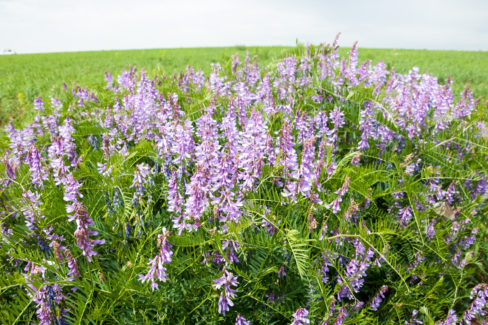
During peak season, any corner of the garden planted with sweet peas looks like a cheerful, colorful celebration. Depending on how kind the weather is, you might even be admiring the last few blooms well into October!
Quick Note:
Technically, the plants we know as sweet peas or garden peas belong to the *Lathyrus* genus (vetchlings) rather than *Vicia*. But for us flower-loving gardeners, that’s just a minor detail! Their care requirements are pretty much the same regardless.
Keep Up with Deadheading
As soon as a flower fades, the plant starts developing a long pod to ripen its seeds. You can definitely leave a few of these if you want to harvest seeds for next year, but you shouldn’t leave all of them. Make sure to remove spent blooms quickly so they don’t drain the plant’s energy. The more energy you help the plant save, the more it can pour into creating brand-new flowers. A quick “cleanup” once a week also keeps the vines looking fresh and tidy.
Pro Tip:
The flowers of the bush vetch are edible and quite tasty, as are the young shoots and leaves. However, be very careful not to confuse them with ornamental sweet peas, which are toxic. You can find more details in our bush vetch profile.
The Secret Sauce for a Gorgeous Bloom Season
Even though sweet peas are genetically programmed to be overachievers, there are a few things you can do to give them a boost:
- Plant or sow them in a sunny spot.
- Never let the soil dry out completely.
- Water them every morning during the summer.
- On scorching hot days, give them a second drink in the evening.
- Feed them with fertilizer once a week.