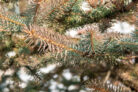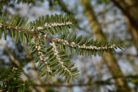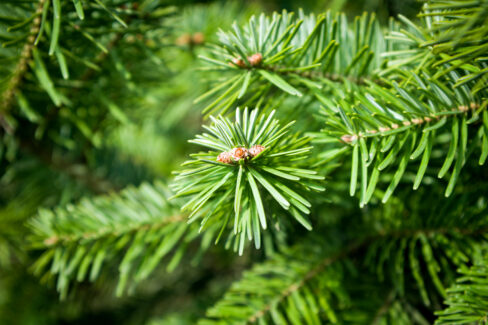
Spruces are some of the most iconic evergreens you’ll find in our forests and backyards. When they’re healthy, these beauties can reach incredible heights and live for generations. However, even the toughest spruce can run into trouble when pests move in. If you want to keep your trees thriving, you’ve got to know what to look out for!
Common Spruce Pests
The “usual suspects” that tend to cause the most trouble for spruce trees are:
- Bark beetles
- Spruce gall aphids
- Sitka spruce aphids (also known as green spruce aphids)
Dealing with Bark Beetles
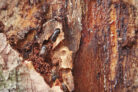
The bark beetle is probably the most feared enemy of the spruce tree. To be honest with you, once these little guys have moved in, it’s usually game over for the tree. In most cases, the only way to stop them is to cut the tree down. They especially love hot, dry weather, which helps them spread like wildfire.
What makes a bark beetle infestation so tricky is how fast it jumps to neighboring trees—they can take out an entire grove if you aren’t careful. Early signs are tough to spot, but if you look closely, you might see tiny entry holes and fine “sawdust” (boring dust) on the bark. Unfortunately, by the time most people notice, the tree is often past the point of saving.
Spotting Spruce Gall Aphids
You’ll know you have spruce gall aphids if you start seeing weird little growths, or “galls,” on the twigs. These are about five millimeters long and are caused by the mother aphids laying their eggs. The good news? You have options here! You can treat them with specialized sprays (like those containing paraffin oil) or let nature do the work by encouraging beneficial insects like ladybugs and parasitic wasps to hang out in your garden.
The Sitka Spruce Aphid
The Sitka spruce aphid (sometimes called the green spruce aphid) is a sneaky one, but there’s a classic pro trick to find them: the “tap test.” Just spread a white cloth or piece of paper under a branch and give the branch a firm knock or shake. If you’ve got an infestation, the tiny aphids will fall right onto the cloth where you can easily see them.
Don’t Wait to Fight Back!
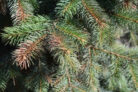
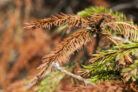
When it comes to pests, speed is everything. If you’re already seeing brown needles, the infestation is likely already pretty far along. If a tree gets hit too hard, there’s often nothing left to do but remove it to protect the rest of your landscape.
Other Spruce Health Issues
Pests aren’t the only thing that can stress out your trees. Spruces are also susceptible to a few specific diseases, most notably:
- Red rot (root rot)
- Omorika decline (Sargent’s spruce dieback)