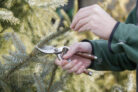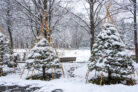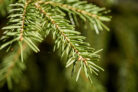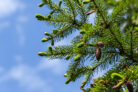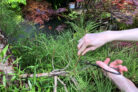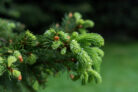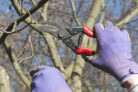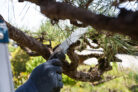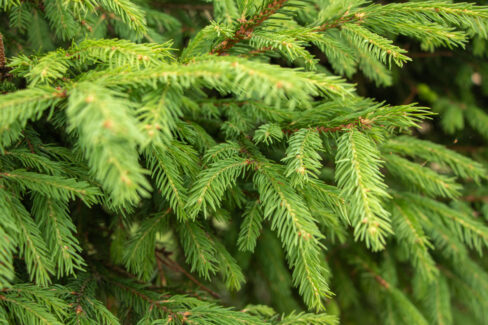
Generally speaking, pruning isn’t exactly high on the “to-do” list for spruce trees. In fact, taking the shears to a spruce often does more harm than good. However, there are a few specific situations where removing those low-hanging branches actually makes sense.
Limbing Up Your Spruce
In the gardening world, removing the lower branches of a tree is often called “limbing up” or “skirting.” While this is mostly a common practice in professional forestry, there are a couple of solid reasons why you might want to do this in your own backyard.
Why Prune the Lower Branches?
Sometimes, those bottom branches just get in the way. The two main reasons to trim them back are:
- The tree has become way too overgrown and is taking over the yard.
- You’re planning on doing some underplanting.
Dealing with Overgrowth
As spruce trees get older, they can get pretty massive. If your tree is starting to swallow up your lawn or crowd out your walkway, thinning out or removing the lowest branches can help reclaim some space.
Making Room for Underplanting
If you’re dreaming of planting something under your spruce, those low-hanging boughs can be a real obstacle. Even if you’re sticking with low-maintenance, shade-loving groundcovers, you’ll likely need to clear some vertical space so you can actually get in there to plant and maintain them.
The Best Time to Prune
Timing is everything! The best window for pruning your spruce is during the late fall or winter. Aim for a clear, frost-free day between November and February. During this time, the tree is dormant, which means less stress for the plant and a much lower risk of the wood splintering while you work.
Keep It Balanced
When you start cutting, keep an eye on the overall shape of the tree. You want to maintain a sense of balance—don’t just hack away at one side, or your spruce will look lopsided and could even become structurally unstable. Most importantly, remember that spruce branches do not grow back once they’re gone. Plan your cuts carefully and only remove what’s absolutely necessary. Your tree will thank you for the restraint!
Protecting Against Pests and Disease
Every cut you make creates a wound in the bark, which is basically an open door for fungi and pathogens. To keep your tree healthy, it’s a smart move to apply a pruning sealer or wound dressing to the cut ends. This extra step helps protect the tree from things like red rot and other nasty infections that love to sneak in through fresh cuts.