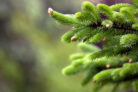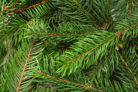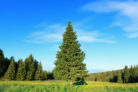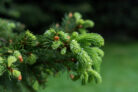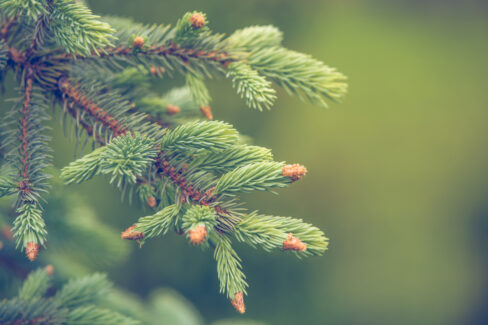
At first glance, you might think spruce trees don’t have flowers at all. After all, they’re evergreens! But if you look a little closer, you’ll spot tons of tiny blossoms clustered together in the shape of cones. The way these trees bloom is actually pretty fascinating—mostly because a spruce doesn’t just flower every single year.
The Lowdown on Spruce Blossoms
Spruce flowers are pretty subtle, and if you aren’t looking for them, you might miss them entirely. These trees are “monoecious,” which is just a fancy way of saying they grow both:
- Female flowers
- And male flowers on the same tree.
The Female Flowers
When a spruce is young, it usually starts out by producing only female flowers. At first, you’ll only find these way up in the top of the tree’s crown. As the tree gets older and more mature, the female flowers start to spread out more evenly across all the branches.
What makes the female flowers special is how they look—they grow in little groups of cones right on the branches.
The Male Flowers
The male flowers, on the other hand, are much smaller than the females. They’re egg-shaped and usually only reach about half an inch to an inch in length.
When Do They Bloom?
Typically, spruce trees bloom between April and June. However, nature can be fickle! Big swings in temperature or bad weather can cut the blooming season short. On the flip side, if your tree is in a perfect location with plenty of sunshine and great care, the blooming period might last a bit longer.
- Unique Blooming Habits
The timing of that first bloom really depends on the age of the tree. You’ll need to be patient—you won’t see any flowers for at least the first ten years, and in some cases, it can take up to 40 years for a spruce to finally show off! Even after that first time, they don’t bloom every spring. Usually, a spruce only flowers in cycles of every four to seven years.
The “Stress Bloom”
Sometimes, you might notice a spruce blooming several years in a row. While that might seem like a good thing, it’s actually a bit of a red flag. In the gardening world, we call this a “stress bloom” (or “Angstblüte” in German). It usually happens when the tree is struggling with a lack of water or nutrients. It’s basically the tree’s emergency attempt to reproduce because it’s under pressure, and if the underlying issue isn’t fixed, it can lead to serious damage.
From Flowers to Fruit
Once the wind does its job and pollinates the flowers, the cones begin to develop. These house the seeds, which are the key to how the spruce naturally spreads and grows new little trees.