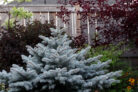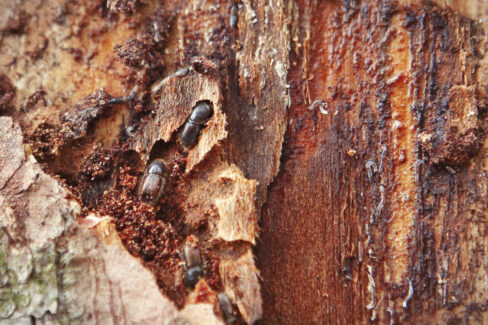
We’ve all heard the horror stories about pests—specifically the ones lurking under the bark of our forests. Bark beetles have been devastating entire evergreen woodlands, but does that mean the single Blue Spruce in your backyard is at risk? Let’s dig into what you need to know.
Do Blue Spruces get hit by pests often?
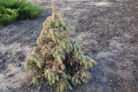
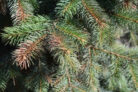
If you notice the needles on your Blue Spruce turning brown, don’t panic—it’s not always a bug problem. More often than not, the tree is actually just thirsty. However, pests do show up from time to time. The good news? If your tree is generally healthy and you catch the problem early, they usually won’t cause permanent damage.
Which pests should I look out for?
The most common uninvited guests on a Blue Spruce are aphids, specifically the Spruce Gall Aphid and the Sitka Spruce Aphid. You might also occasionally run into the European Spruce Bark Beetle (also known as the “Engraver Beetle”). This one is the real troublemaker because it can only be effectively managed if you catch it right at the beginning of an infestation.
Common Blue Spruce Enemies:
- Spruce Gall Aphid
- European Spruce Bark Beetle (a type of bark beetle)
- Sitka Spruce Aphid
How can I prevent pest problems?
A healthy Blue Spruce is its own best defense. When a tree is thriving, it can usually fend off pests on its own. The best prevention is making sure your tree has plenty of water and the right nutrients. Give your spruce a regular drink, but make sure the soil drains well—they hate “wet feet.” When it comes to fertilizer, stick to a low-nitrogen formula.
To keep aphids at bay, try inviting some “good bugs” into your garden. Ladybugs, hoverflies, and lacewings are natural predators that love to snack on aphids. Creating a pollinator-friendly habitat in your yard during the summer will help keep these helpful insects around.
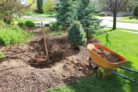
You should also keep an eye on your soil’s pH level; Blue Spruces are most resilient when the pH is between 6.5 and 7.5. Finally, adding a layer of mulch (dried grass clippings work great!) around the base can provide an extra layer of protection.
How to handle an infestation:
- Bark Beetles: Use pheromone traps in the early stages. If the infestation is severe, the tree may unfortunately need to be removed to protect others.
- Sitka Spruce Aphids: Use an aphid-specific spray or a DIY soap-and-oil solution.
- Spruce Gall Aphids: Prune off any infested shoots, use a paraffin oil-based insecticide, and double-check your soil’s pH.
Quick Tip: