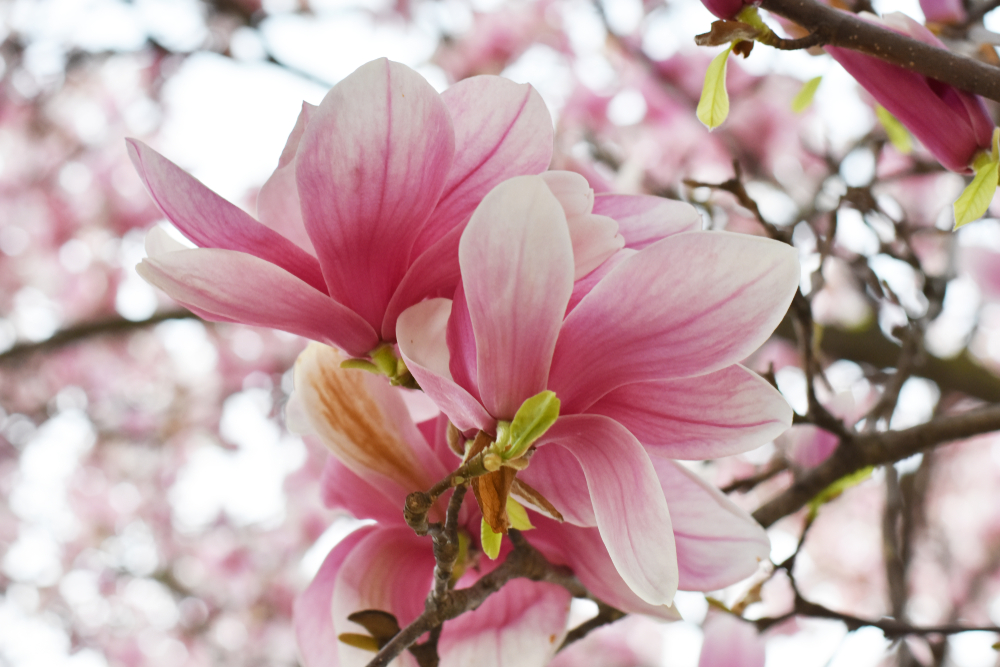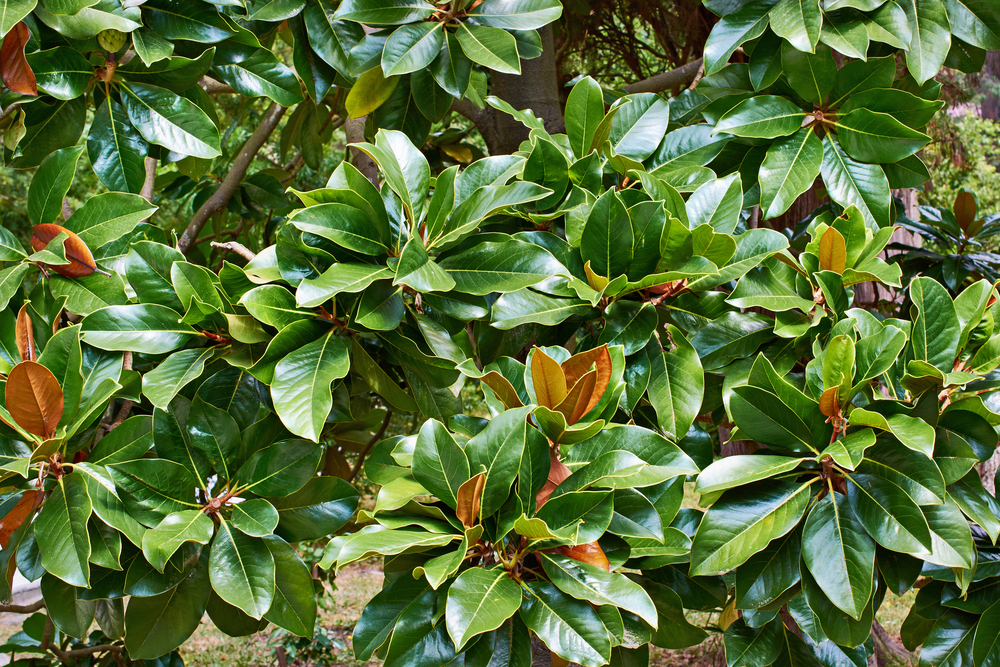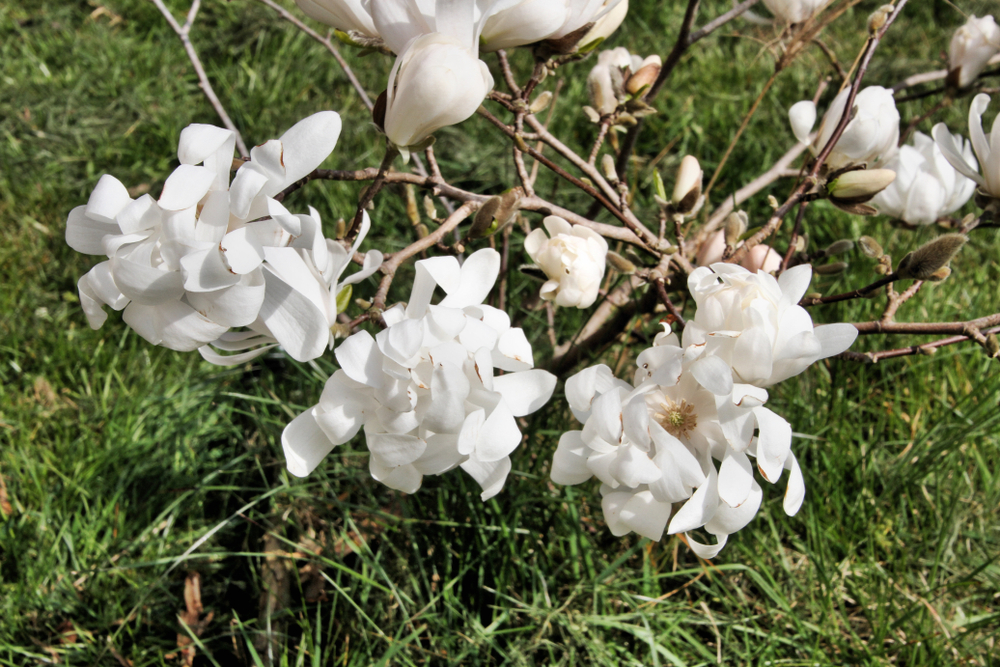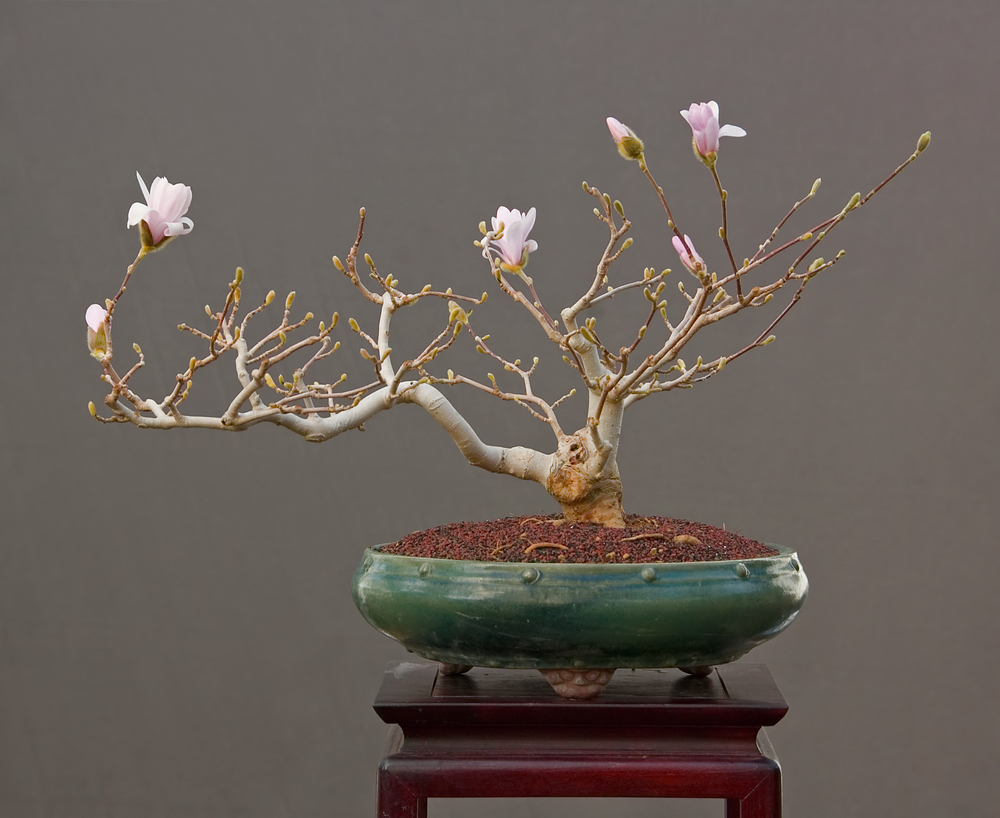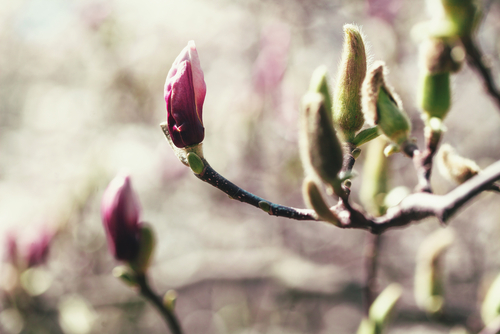
For most of the 200+ species of magnolias, the magic actually starts way back in the late fall. That’s when the tree sets its buds for the following spring. It’s a long wait for those blooms to finally open, and honestly, magnolia blossoms have some pretty unique quirks that every gardener should know about.
Bundled Up for the Winter
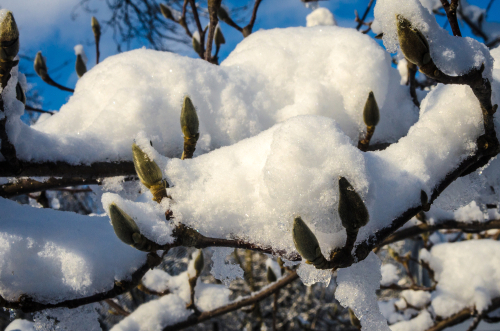
Since those buds are formed in autumn, they have to survive the long, cold winter months. To help them out, nature gives them a velvety, tough outer shell that acts like a little winter coat, shielding the delicate insides from freezing temperatures. Just before the tree is ready to bloom, this protective casing cracks open, and the flowers practically explode into life. For some varieties, the show only lasts about two weeks. A late spring frost can cut that time even shorter, so if you have young plants, you’ll want to keep that winter protection handy even as the weather starts to warm up.
When the Buds Just Won’t Open
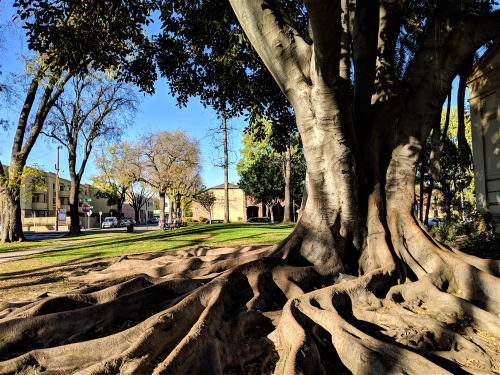
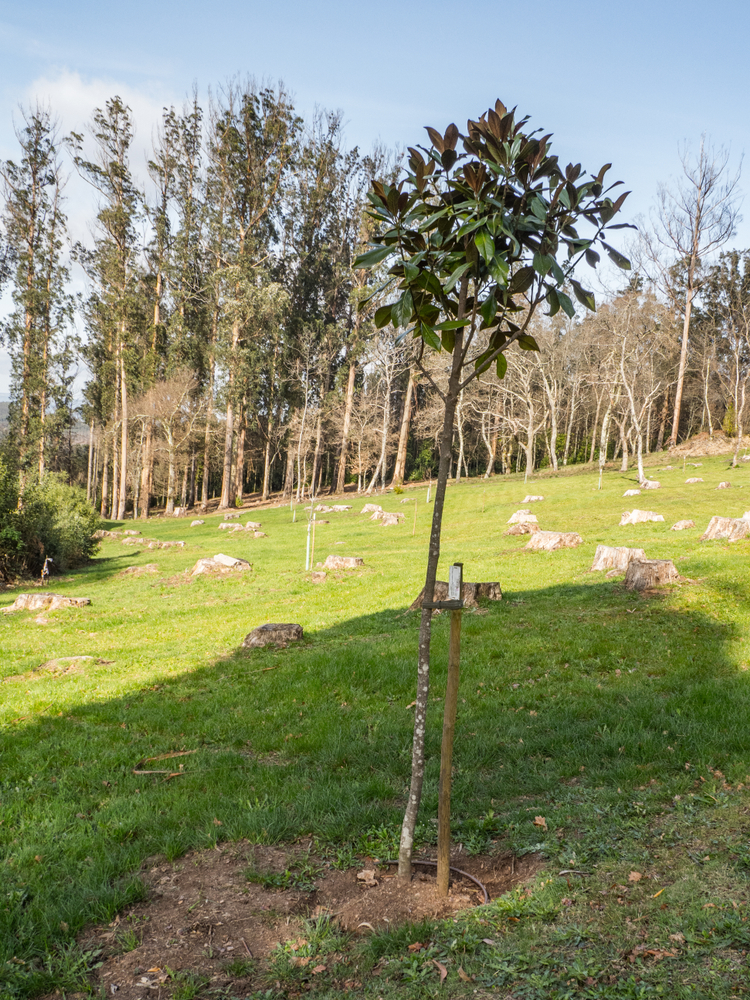
It can be super frustrating when your magnolia either doesn’t grow buds at all or drops them before they even get a chance to open. Usually, there are a few common culprits. One big reason is “transplant shock”—if you just put the tree in the ground or recently moved it, it might be focusing its energy elsewhere. Magnolias are shallow-rooted plants that need a wide, established root system to gather enough nutrients for those big blooms. Sometimes it takes a few years for the roots to provide enough energy for a full flowering season. Another possibility? Your magnolia might just be unhappy with its location.
Finding the Perfect Spot
Magnolias can be a bit picky about where they live. Depending on the variety, they usually want a spot that’s either full sun or partial shade. The most important thing is that they are protected from harsh winds. They also crave acidic soil—ideally with a pH between 5.5 and 6.8. If you get the conditions right, you’re much more likely to see a tree covered in beautiful buds.
Here’s the “TL;DR” on magnolia buds:
- They stay safe in winter thanks to a fuzzy protective shell.
- If they don’t open, it’s often because the root system isn’t fully established yet.
- A lack of buds usually points to a nutrient deficiency or the wrong planting spot.