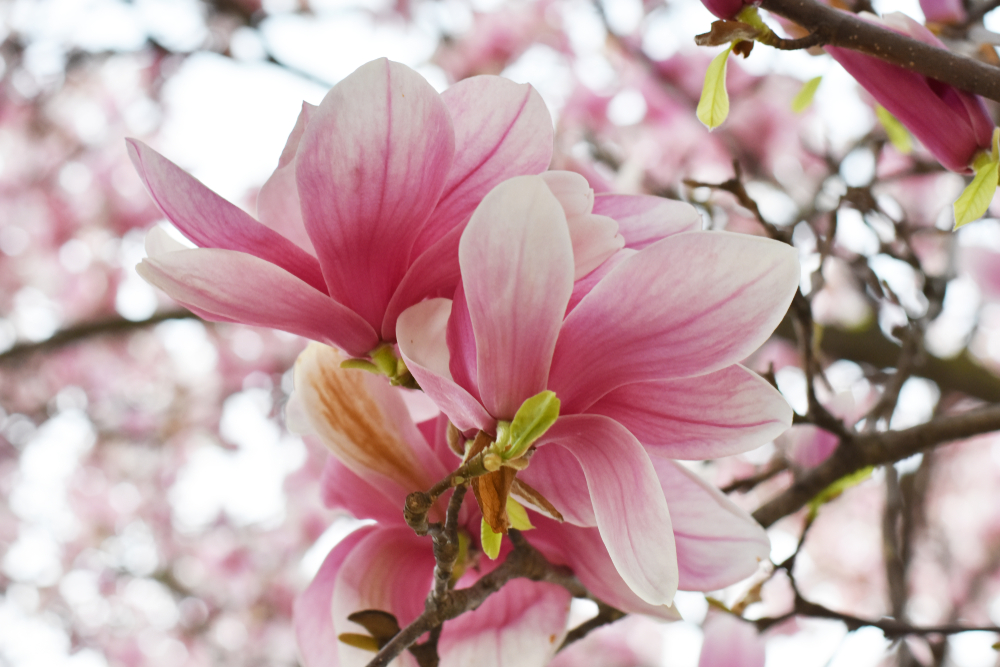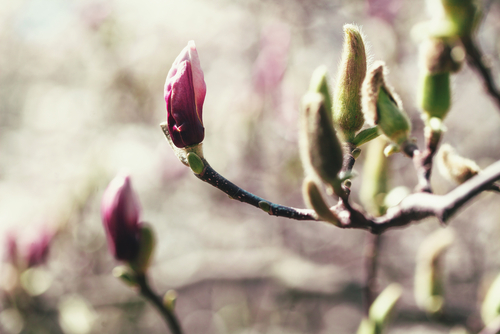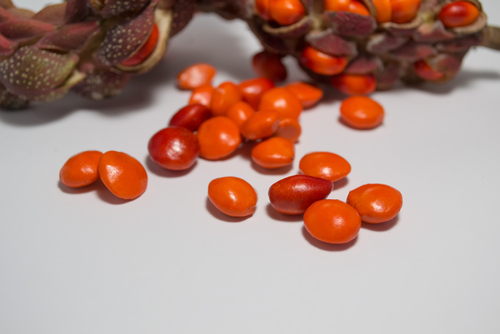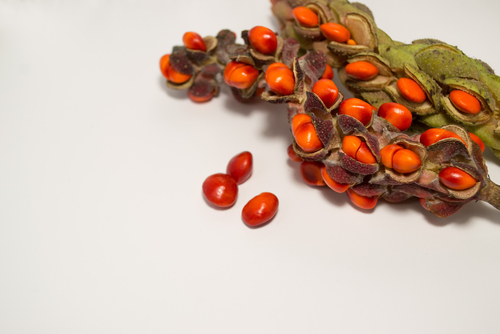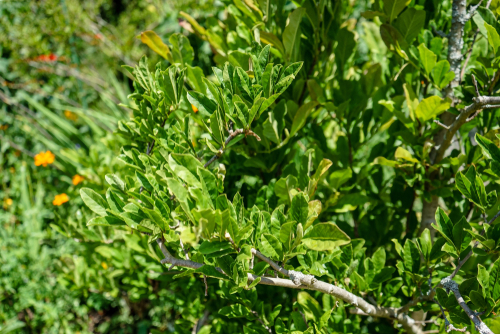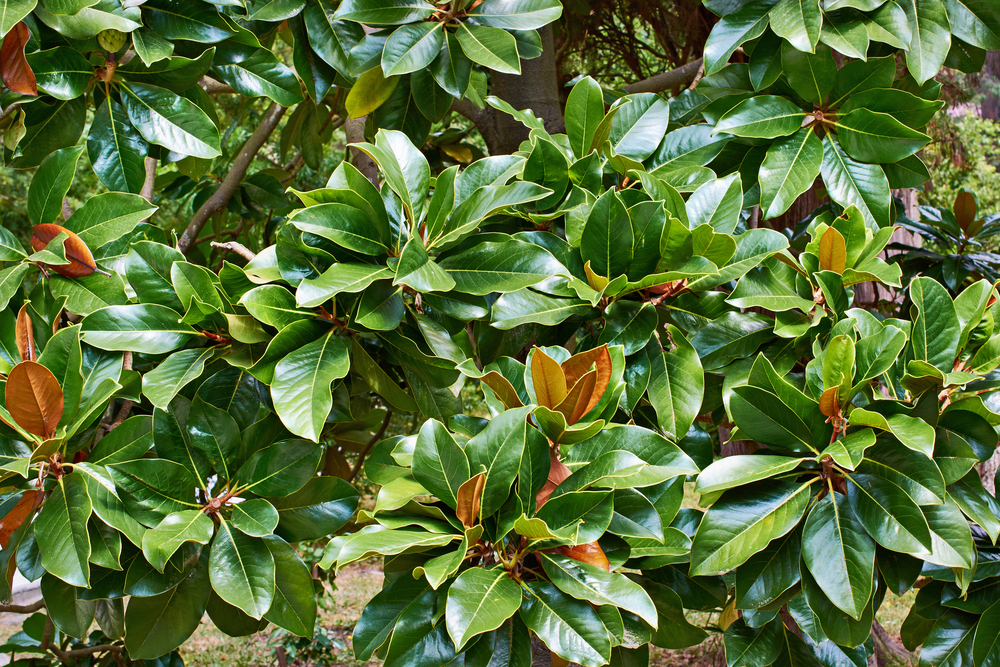
Magnolias are absolute showstoppers in the garden, mostly thanks to those stunning, oversized blooms. So, I totally get the frustration when your tree looks healthy but just won’t flower year after year. If your magnolia is being a bit shy, it’s time to do a little detective work.
Patience is a Virtue (Really!)
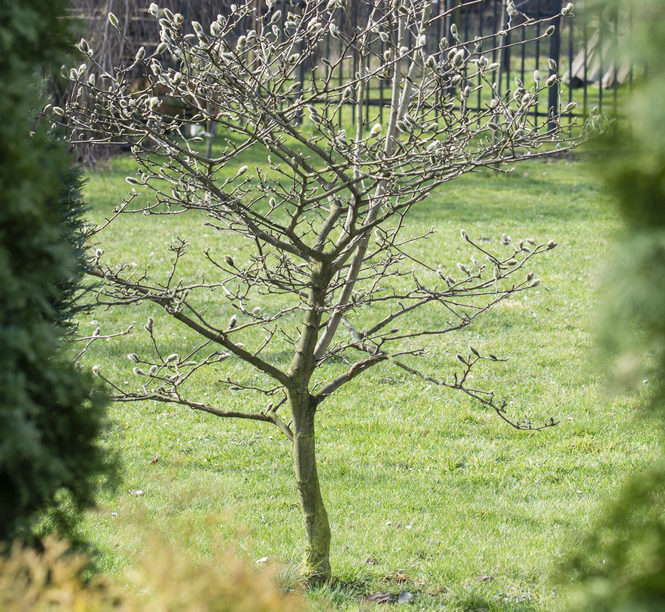
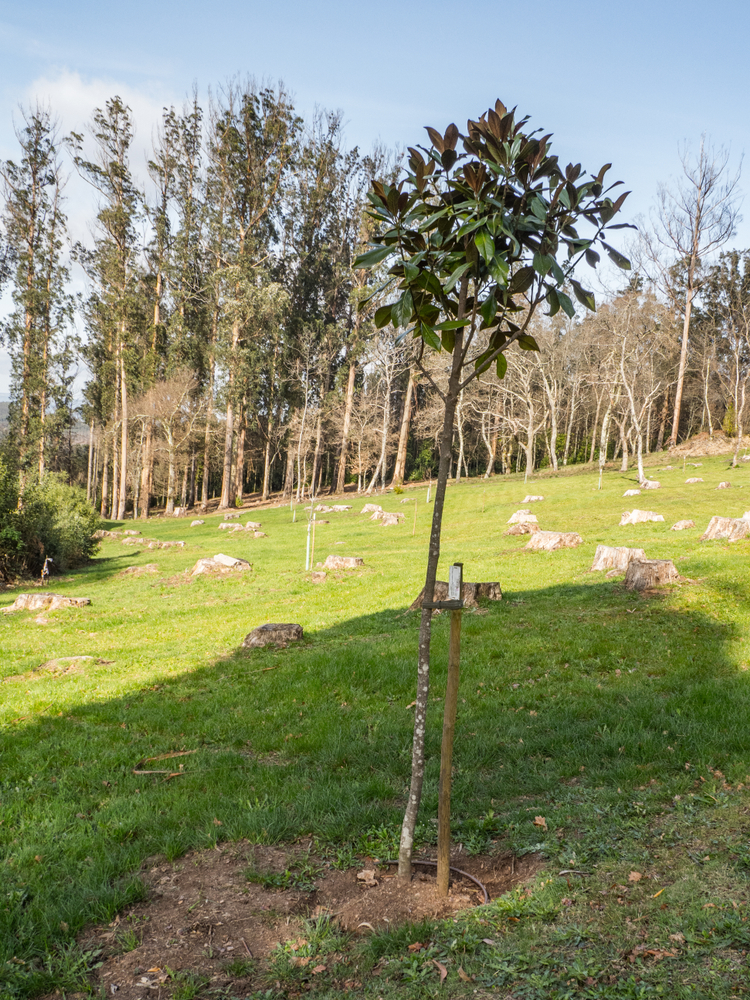
Believe it or not, the most common reason for a bloom-free spring is simply that your tree isn’t “grown-up” yet. Magnolias are long-lived plants that put a massive amount of energy into establishing their structure and growing into a full-sized tree. In those early years, they often prioritize roots and branches over flowers. If your tree is still a youngster, the best thing you can do is stay calm and give it some time to mature.
Check the Calendar
With over 200 different species out there, not every magnolia follows the same schedule. While we usually associate them with early spring, some varieties don’t actually hit their bloom time until much later in the summer. Before you panic, double-check which variety you have—you might find that your tree is just waiting for June or July to show off.
Give Your Tree a Little Extra Love
If your tree is mature and the timing is right but you’re still seeing nothing but green leaves, it might be hungry or thirsty. Magnolias have shallow root systems, which means they’re sensitive to drying out. To keep yours happy, make sure the soil stays consistently moist, especially during those hot, dry spells.
Proper care also means looking at your soil chemistry. Magnolias thrive in acidic soil with a pH between 5.5 and 6.8. If your soil is too alkaline, try mixing in some rhododendron soil or peat substitute to up the acidity and give the tree the nutrients it needs to produce those flower buds.
If your magnolia isn’t blooming, here’s your game plan:
- First, just wait and let the tree mature.
- Keep the root zone consistently hydrated.
- Boost the soil acidity by using rhododendron-specific soil mix.