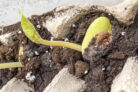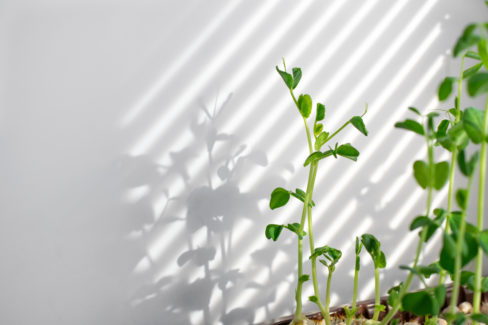
While most gardeners direct-sow their peas, starting them indoors (or “pre-culturing”) isn’t super common—but it definitely has its perks! If you want to get a head start on the season, there are a few tricks to making sure the extra effort actually pays off without turning into a chore.
Starting Your Seeds in March
Don’t jump the gun too early! Peas are fast movers and usually sprout within a week. If you’re going to start them early, you should already have a date on the calendar for when those seedlings are going into the ground.
Aim to start your seeds no more than two weeks before you plan to transplant them. The best part? You don’t have to worry about thinning them out or “pricking” them into separate pots. They’ll go straight from their starter container into the garden.
The Secret Weapon: Gutter Growing
Since we aren’t transplanting individual seedlings, you need a container that makes moving the whole batch easy. My favorite pro-tip? Use old rain gutters! Just drill a few drainage holes in the bottom so the roots don’t get waterlogged.
Since gutters are open at the ends, just set them inside long, flat balcony box saucers. This setup lets you start your peas indoors or in a protected spot without making a mess.
Sowing the Seeds
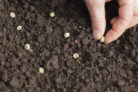
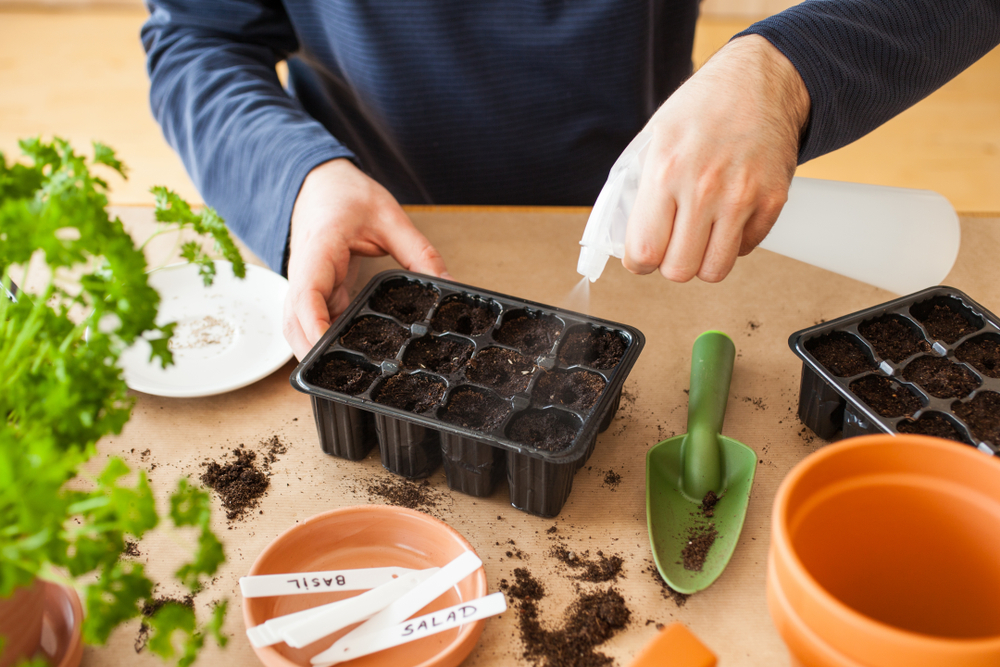
Fill your gutters with a nutrient-rich mix—a blend of seed-starting soil and compost or veggie soil works wonders. Poke a trench about an inch (2 cm) deep and get those seeds in the ground. Space them at least 2 inches (5 cm) apart. You really want to stick to that spacing with indoor starts because these plants tend to be more vigorous and need a little extra elbow room.
Moving to the Garden
After about two weeks, your peas are ready for the great outdoors. Prep your garden bed by loosening the soil and adding some good fertilizer. Dig a trench about 3 inches (7 cm) deep—you want to make sure it’s deep enough so that the original root ball is fully tucked away below the soil surface.
A few days before the big move, “harden off” your peas by putting them outside in a sheltered spot during the day. Also, dial back the watering a bit; drier soil slides out of the gutter much easier than soggy mud.
When it’s time to plant, gently slide the entire row of peas from the gutter directly into your garden trench. This keeps the roots happy and undisturbed so they can keep growing without skipping a beat!