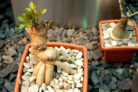
If you’ve got a passion for bonsai but want to try something a little more “low-maintenance,” succulent bonsai are the way to go! There are two specific types of succulents that are perfect for this art form. In this guide, I’ll show you how to turn these beauties into miniature trees that will thrive right in your living room.
Succulent Bonsai #1: The Jade Plant
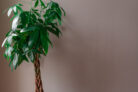
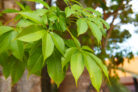
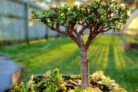
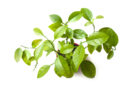
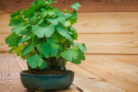
The Jade Plant is easily one of the most popular indoor succulents on the planet. It’s super easy to care for and has a naturally decorative growth habit that looks great on any windowsill. Because it’s an evergreen shrub that develops a woody trunk over time, the Jade Plant (botanically known as *Crassula ovata*) makes an absolutely ideal bonsai.
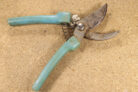
If you’re a beginner to the world of bonsai, this is the plant for you. It handles pruning like a champ and is very forgiving if you make a mistake. All you really need to do is find a warm, sunny spot and water it only when the soil has dried out significantly.
Pro tip: Jade plants are incredibly easy to shape just by pruning. You can usually skip the complicated wiring that traditional bonsai require!
Succulent Bonsai #2: Aeonium
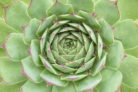
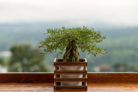
This genus of succulents is famous for its striking leaf rosettes and woody stems. These two features make Aeoniums prime candidates for bonsai art, giving you plenty of creative freedom to shape them into beautiful mini-trees. Here are a few varieties that work best:
- Aeonium canariense: Features a thick, short trunk and deep green succulent leaves.
- Aeonium arboreum: This one is a showstopper with deep purple rosettes; it’s happy in both partial shade and full sun.
- Aeonium undulatum: Grows a single, sturdy stem and produces gorgeous mustard-yellow flowers.
- Aeonium haworthii: This variety grows rosettes at the tips of its branches and features blue-gray leaves with pretty reddish edges.
Care Tips for Growing Your Succulent Bonsai
To turn a succulent into a healthy, thriving bonsai, I recommend using a specialized substrate that mixes organic and inorganic materials. Adding some “Akadama” (a traditional Japanese clay) acts as a slow-release fertilizer and helps keep the soil structure stable for your little tree.
Don’t forget the golden rules of succulent care: during the summer, these plants love bright, sunny spots. In the winter, they prefer to stay a bit cooler and much drier. Always wait until the soil is completely dry before you reach for the watering can!