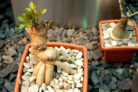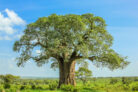
In the wild, the Baobab tree can reach massive heights of up to 65 feet. But don’t worry—when grown in a pot or as a bonsai, it stays much more manageable and actually makes a fantastic houseplant! To keep yours looking its best, you’ll want to give it a little trim every now and then.
When to Prune
Technically, you can prune a Baobab any time of year. A cool bonus? You can actually take those trimmings and replant them as cuttings to grow brand-new baby trees. However, if you want the best results, spring is the ideal time for a haircut.
Pruning in the spring encourages healthy, even growth for the season ahead. Plus, since the tree often sheds a few leaves over winter, it’s much easier to see the branch structure and decide exactly where to cut.
How to Prune Properly
Since Baobabs are generally slow growers, you don’t need to go crazy with the shears too often. That said, there are a few specific times when a trim is definitely necessary.
Reasons to prune:
- Uneven or lopsided growth
- Stunted or “crippled” branches
- Sick or damaged wood
- A trunk that looks too thin
- Thinning out a crown that’s gotten too dense
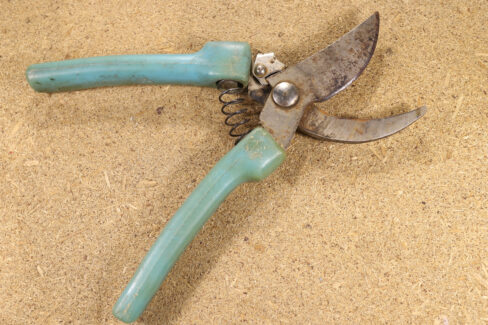
Always make sure your pruning shears are sharp and clean before you start. Because pruning triggers a fresh growth spurt, your Baobab will appreciate a little snack afterward. A mineral fertilizer or a liquid cactus fertilizer is perfect for giving it the nutrients it needs to bounce back.
Growing as a Bonsai
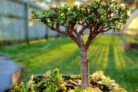
Even though Baobabs can eventually get huge, they take their sweet time getting there. This slow pace makes them perfect for bonsai culture. One of the biggest perks for bonsai lovers is that you can prune them year-round. This makes them especially beginner-friendly, as you can snip away any “rogue” shoots the moment they start messing with your desired shape.
Just a word of advice: be careful and deliberate with your cuts when working on a bonsai. Because they grow so slowly, it can take a long time for the tree to fill back in if you make a mistake!