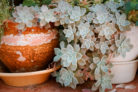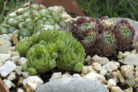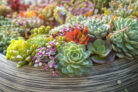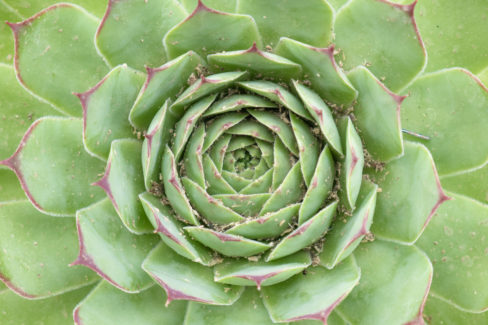
As a member of the stonecrop family, the Echeveria has a pretty cool superpower: it stores water in its thick, fleshy leaves to get through long dry spells. This means your plant can handle a little neglect just fine! On the flip side, the one thing an Echeveria absolutely hates is overwatering.
Keep Moisture to a Minimum
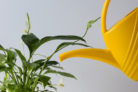
Since Echeverias are succulents, they aren’t fans of “wet feet.” Too much water quickly leads to waterlogging, which is bad news for your plant. To keep your Echeveria thriving for years (and maybe even propagate a few new babies), you should only water when the soil has completely dried out.
Believe it or not, these plants actually need those dry periods—it’s what triggers those gorgeous, vibrant colors in the leaf rosettes. Plus, staying stingy with the watering can prevents root rot and other nasty decay. When you do water, try to do it from the bottom, adding just enough so the soil feels moist but not soaked.
Pro Tip: While Echeverias do just fine with soft tap water, they really love rainwater if you have some handy!
The Best Way to Water: Bottom-Feeding
Keeping the water supply low doesn’t just help with color; it also keeps the plant’s shape looking sharp. If you overwater, the plant tends to grow too quickly, resulting in a “soft,” stretched-out look that isn’t very pretty.
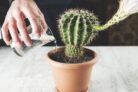
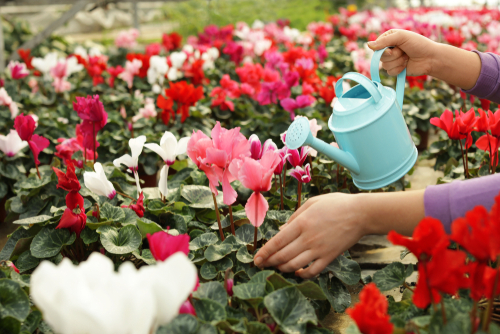
One big rule: try to keep the leaves dry. Water droplets can leave permanent spots on the foliage or even cause the leaves to rot. Since many Echeverias grow in tight, compact rosettes that cover the entire pot, watering from the top can be tricky anyway. The best method is to set the pot in a shallow saucer of water for about an hour and let the soil soak up what it needs from the bottom.
Pro Tip: During the winter dormant phase (usually October through February), you should scale back even more. Only give them a tiny sip occasionally to ensure the soil doesn’t turn into total dust.