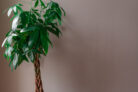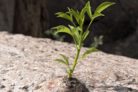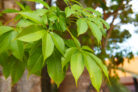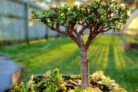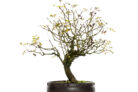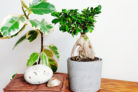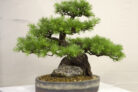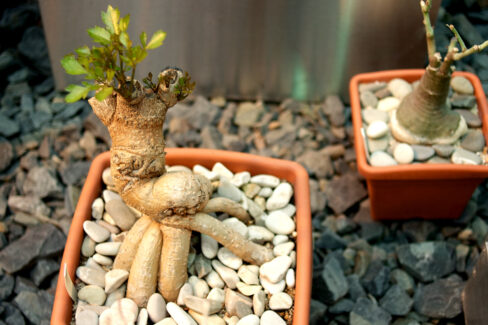
In the wild, the Baobab tree is a absolute giant, reaching heights of up to 65 feet. But don’t worry—when you grow one in a pot, it stays just a fraction of that size! Because it grows so slowly, it’s actually a fantastic candidate for bonsai training.
Growing Baobabs as Houseplants
You can keep a Baobab as an indoor plant all year round. Just a heads-up, though: indoor Baobabs rarely produce flowers or fruit because they usually miss out on their natural winter dormancy period. Instead, they’ll stay a lovely, consistent green throughout the year.
If you’re going the bonsai route, find a spot that’s bright but tucked away from harsh, direct sunlight. An east- or west-facing window is usually the “sweet spot” for these guys.
The Right Soil
When you’re cultivating a Baobab bonsai, you want to avoid soil that’s too rich or packed with nutrients. A high-quality cactus mix is ideal because it’s lean, loose, and drains quickly. These trees are champions at handling drought—they actually store water in their trunks for a rainy day (literally!). That said, they still need *some* love. Just like other succulents, your bonsai will be happiest with very light, sparse watering.
Feeding Your Tree
Just like with watering, less is definitely more when it comes to fertilizer. You only need to give your Baobab a small dose of mineral fertilizer about twice a year—once in the spring and once in the fall is plenty.
The amount you use depends on how big your tree is. For a tiny starter bonsai, a single teaspoon might be all it needs, while older, larger specimens can handle a bit more.
Pruning and Shaping
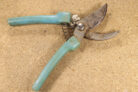
If you want that classic bonsai look, regular pruning is a must. The great thing about the Baobab is that it’s super resilient—you can trim it back any time of year. This is a huge plus for bonsai lovers, as it allows you to keep the tree small while carefully sculpting it into a beautiful, artistic shape.