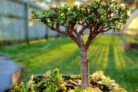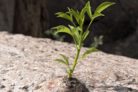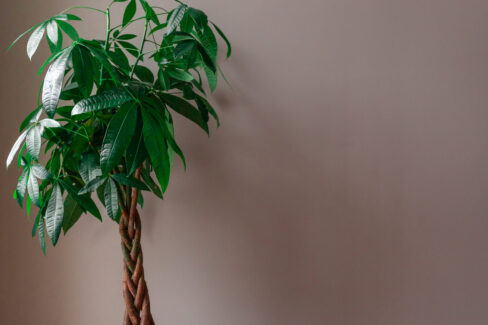
The Australian Bottle Tree, often called the “Lucky Tree,” is a fantastic, low-maintenance addition to any plant collection. If you give it the right spot and a little TLC, it’ll shoot up toward the ceiling in no time! You can also train it as a bonsai if you prefer a miniature look. Whether or not you need to grab your pruning shears really depends on how you’re choosing to grow it.
Pruning Tolerance
The Australian Bottle Tree (botanically known as *Brachychiton rupestris*) handles pruning like a champ. That said, “can be pruned” doesn’t mean “must be pruned.” Unless you’re keeping yours as a bonsai—where shaping is part of the routine—you won’t have to trim it very often.
Growth Habit
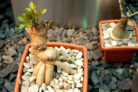
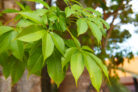
The coolest feature of the Lucky Tree is its signature “bottle” trunk, which thickens at the base and often features thick, gnarly roots wrapping around the bottom. From this sturdy trunk, side branches grow out sporting long, slender leaves that give it a unique, airy look.
When to Prune
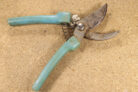
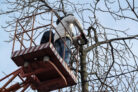
Deciding to prune your Australian Bottle Tree is mostly up to you, but there are a few good reasons why you might want to reach for your garden shears.
Encouraging New Growth
Sometimes these trees get a little too excited about growing tall and forget to fill out. If yours is looking a bit “leggy” or sparse at the top compared to its thick trunk, you can fix that! By snipping off the tips of the branches, you’ll encourage the tree to branch out and create a fuller, bushier canopy.
The sweet spot for shaping the crown is usually once the tree reaches about 3 to 5 feet in height.
Brown Leaves and Dead Wood
It’s always a good idea to snip off brown leaves, dead shoots, or dry wood to keep the plant looking its best. However, if you notice a lot of die-back, take a second to play detective. It could be a sign of:
- A watering or feeding mishap,
- Not enough light (or too much!),
- A pest problem or disease.
Finding the root cause is key to making sure your Lucky Tree stays healthy for the long haul.
Pests and Diseases
If your Lucky Tree is dropping leaves or just looking a bit sad, definitely check for:
- Signs of infection or rot,
- Unwanted hitchhikers (pests).
In these cases, pruning away the affected areas is often the best way to stop the problem from spreading. Don’t worry—once you’ve cleared away the “bad” parts, give your tree some time to rest. They are pretty resilient and will usually bounce back with fresh, healthy growth before you know it!