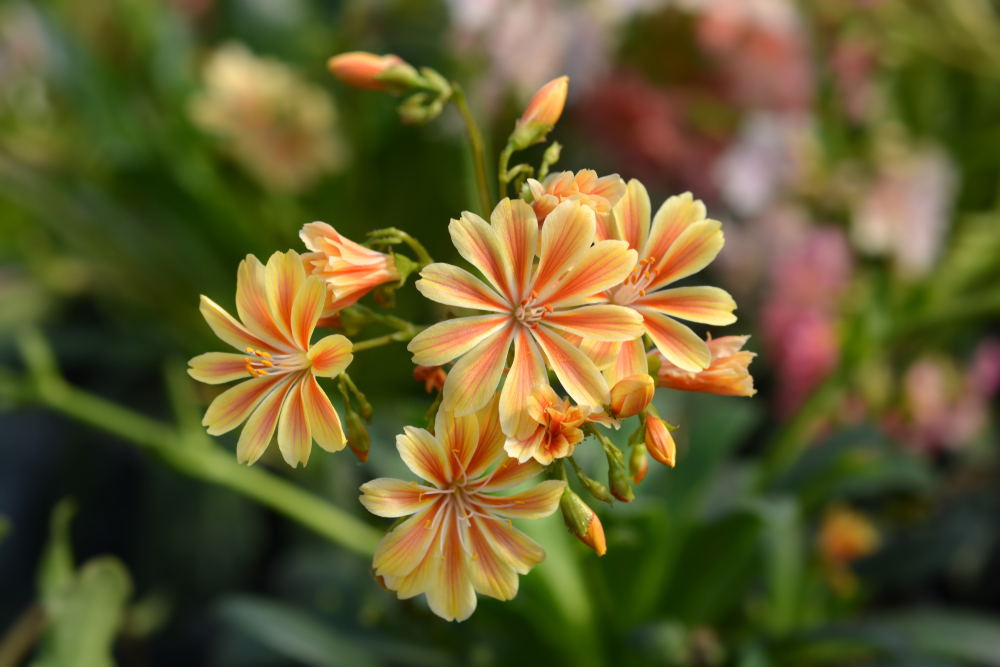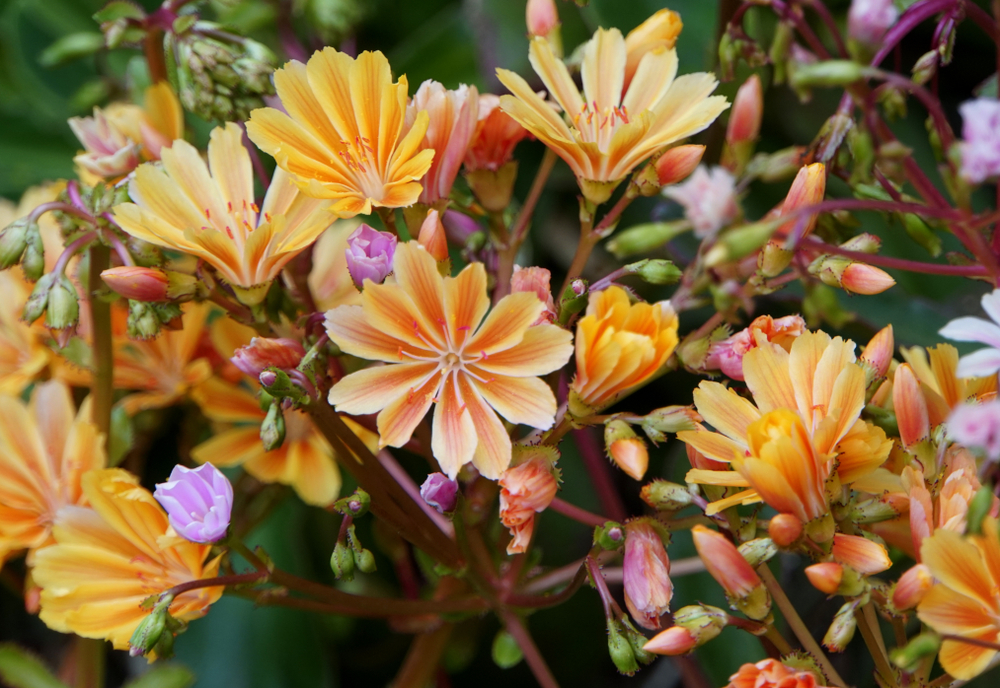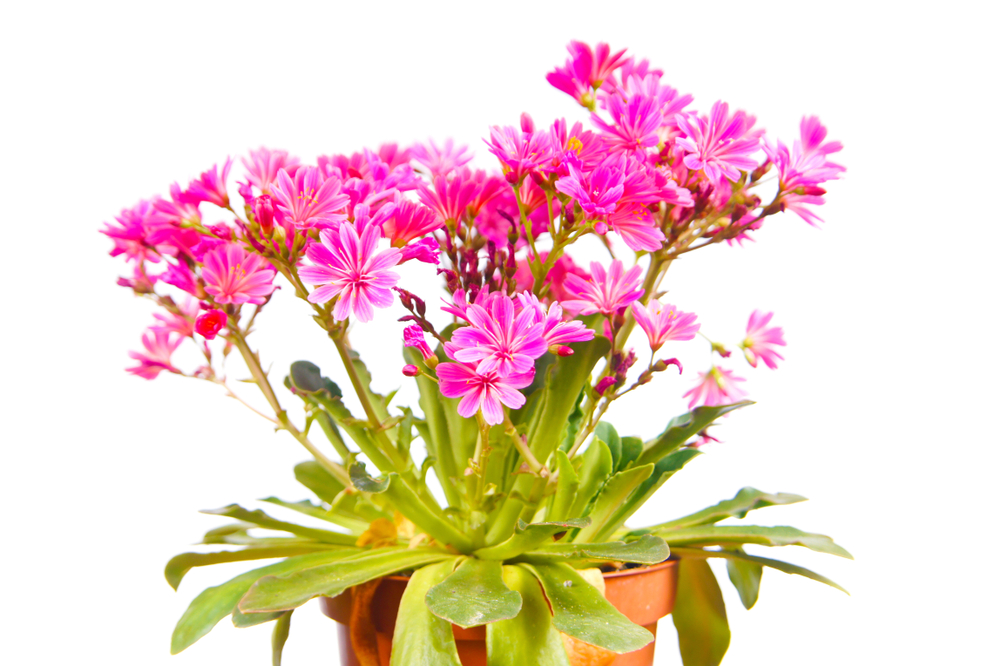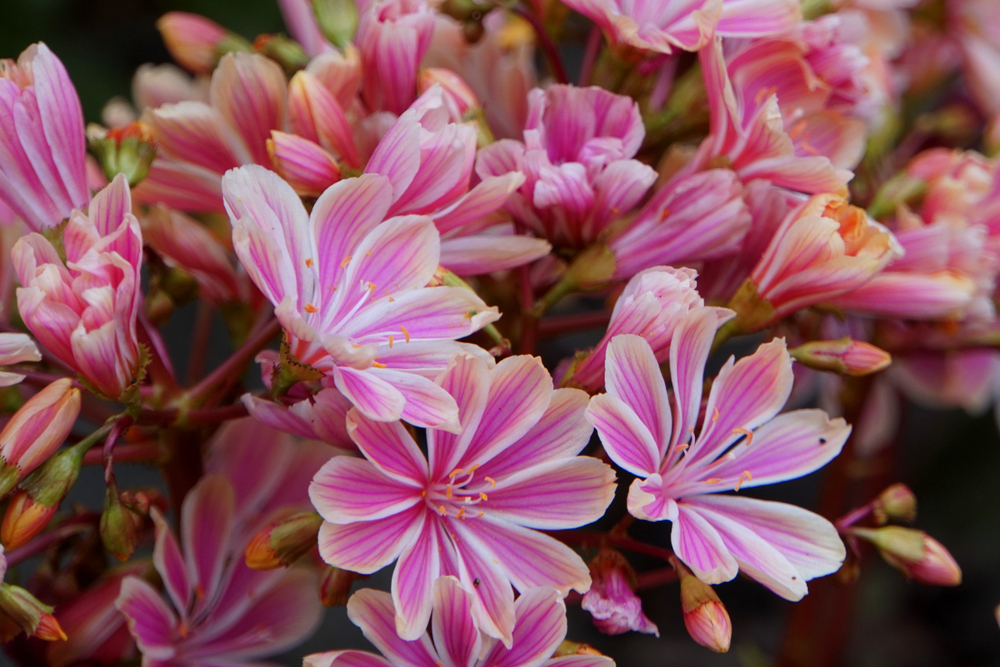
Bitterroot (*Lewisia*) is a gorgeous, evergreen perennial that originally hails from the rugged mountains of the Western United States. If you’re looking to get more of these beauties in your garden, you’ve got three main ways to do it: division, leaf cuttings, or starting from seed.
Dividing the Root Ball
Dividing your Bitterroot is by far the easiest and quickest way to multiply your collection. The best time to do this is in late summer. At this point, the plant is still full of energy, giving the new babies plenty of time to establish a solid root system before the winter chill sets in. Here’s how you do it:
- During and after the blooming season, make sure to regularly deadhead any spent flowers.
- Keep an eye out for “offsets” or daughter rosettes forming around the base.
- Gently separate these small rosettes from the mother plant and transplant them into a new spot in the garden or into a pot.
Using Leaf Cuttings
You can also propagate Bitterroot using leaf cuttings. To try this, snip off a healthy, sturdy leaf and slice it lengthwise along the leaf ribs. Place the leaf pieces onto some lean, well-draining potting mix. You’ll want to keep the soil consistently moist (but not soggy!) and place the pot in a bright, warm spot to encourage new growth.
Sowing Bitterroot Seeds
The third option is growing Bitterroot from scratch using seeds. Just a heads-up: this method takes a bit of patience because Bitterroot seeds are “cold germinators.” In the wild, they need the freezing temperatures of winter to wake up and sprout. If you buy seeds from a shop, they’ve usually been pre-treated. However, if you’ve harvested seeds from your own garden, you’ll need to mimic nature by storing them in your refrigerator for several weeks before you even think about planting them.