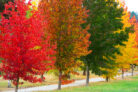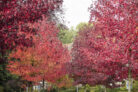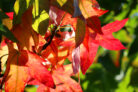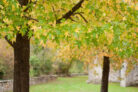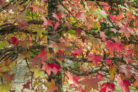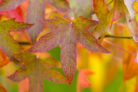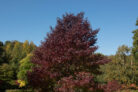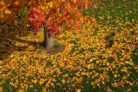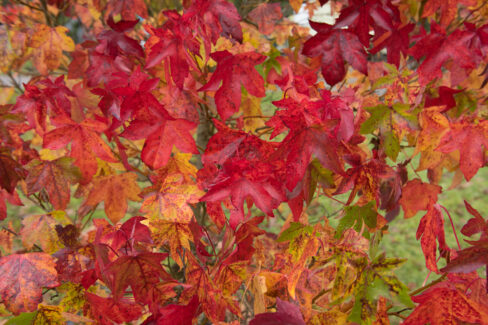
If you’re looking for a showstopper for your yard, look no further than the Sweetgum tree. There’s a reason you see these beauties popping up in parks and gardens everywhere—their fall foliage is absolutely legendary. While they might look a bit like Maples at first glance, Maples honestly can’t compete with the incredible kaleidoscope of colors a Sweetgum puts on every year.
A Rainbow of Varieties
The Sweetgum is a favorite among gardeners and is even prized for its wood, which has a warm look similar to cherry. Even though the Sweetgum is a North American native, it’s become a huge hit in Europe specifically for that autumn glow.
Thanks to modern breeding, there are tons of varieties to choose from, each with its own unique “color palette.” Some cultivars put on a shifting light show, transitioning from bright yellow to orange and finally deep red. Others pick one bold color and just get more intense as the season goes on.
Here are a few of my favorite varieties for fall color:
- Oktoberglut: A mix of red, orange, and yellow
- Gumball: Vibrant reds and yellows
- Ellen: Deep, blood-red
- Worplesdon: Fiery, bright red
- Golden Treasure: Unique yellow-green
- Variegata: Creamy white accents
The Show Starts in September
You can usually expect your Sweetgum to start its transformation around mid-September. If we’re having a particularly warm Indian summer, it might hold off a bit longer, but by early October at the latest, the magic really starts to happen.
One of the coolest things about this tree is that during the transition, you’ll see multiple shades on the tree at once—sometimes a single leaf will even sport three different colors! It’s exactly what makes it such a standout in any landscape.
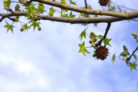
And don’t forget the Sweetgum fruit (those spiky “gumballs”)! While they don’t have the flashy colors of the leaves, they ripen right as the foliage changes and add a great architectural look to the tree. Plus, they are perfect for rustic fall crafts and centerpieces.
What if the leaves fall early?
While we love seeing those leaves change and drop in the fall, it’s a red flag if your tree starts changing color or losing leaves in the middle of summer. This is usually a sign of stress, often caused by Sweetgum diseases like root rot, which usually stems from a watering issue. If you notice an early leaf drop, you’ll want to act fast. Even though these trees are generally pretty hardy, consistent care mistakes can do some real long-term damage.