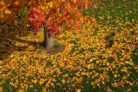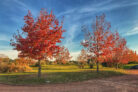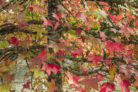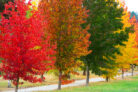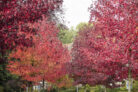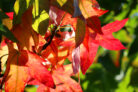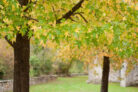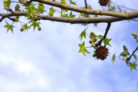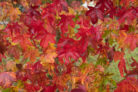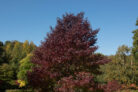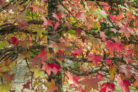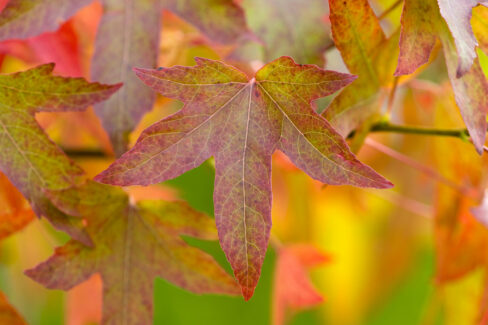
The Sweetgum tree (Liquidambar) is a real showstopper, whether it’s lighting up a backyard or a local park. While these beauties definitely need some elbow room to grow, they are surprisingly low-maintenance. That said, if you want your Sweetgum to really thrive and show off that iconic foliage, a little strategic feeding goes a long way.
Rich Soil and the Right Spot
When you’re picking out a spot for your Sweetgum, full sun is key, but the soil prep is just as important. These trees are a bit picky about moisture: they hate “wet feet” (standing water), but they don’t want to dry out completely either.
A pro tip for planting is to add a layer of expanded clay pebbles at the bottom of the hole for drainage. Mixing some of those clay granules into the soil itself is a game-changer, too. The clay acts like a sponge—soaking up extra water and releasing it slowly back into the soil while keeping everything nice and airy.
When you’re backfilling the hole, mix your native garden soil with at least 50% mature compost. I also like to toss in some horn meal (or a similar organic slow-release nitrogen source) to give it a steady boost. Try to steer clear of harsh mineral or synthetic fertilizers if you can; organic is the way to go here.
Choosing Your Fertilizer
In a perfect world, the Sweetgum would actually fertilize itself! If you left all those fallen leaves on the ground to decompose, the tree would recycle those nutrients. But since most of us prefer to rake them up or toss them in the compost bin, we have to step in.
In the spring, work some compost and organic fertilizer into the soil around the “root zone.” Keep in mind that the root zone usually extends at least as far out as the widest branches (the drip line). Focus your efforts toward the outer edges of this circle, as that’s where the tiny feeder roots live that actually drink up the nutrients.
If you want to save yourself some yard work, you can just mulch the fallen leaves right into the grass with your lawnmower in the fall. It’s a win-win: less raking for you, and a natural nutrient boost for the tree!
When to Feed
Timing is everything. You don’t want to start fertilizing until at least May. This rule applies even if you’re growing a Sweetgum as a bonsai. If you feed it too early in the spring, you’ll just end up with a bunch of weak “suckers” or shoots that you’ll eventually have to prune away anyway.
Stop all fertilizing by early September to let the tree harden off for winter. If you’re tending to a bonsai version, a liquid fertilizer for green plants every two weeks during the growing season works wonders. For trees planted in the ground, a good helping of compost and organic meal in the spring and fall is usually all they need to stay happy and healthy.