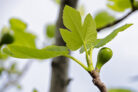
The Sweetgum tree (Liquidambar) is an absolute showstopper in the fall, and I don’t blame anyone for wanting more of them in their yard! If you’re looking to expand your collection without heading to the nursery, you’re in luck. There are a couple of ways to propagate these beauties yourself.
Propagating with Hardwood Cuttings
The easiest and most low-maintenance way to grow a new Sweetgum is through hardwood cuttings. Even though these trees don’t strictly need a regular trim, they are actually very tolerant of pruning. This means the next time you’re tidying up your tree, you can save those branches to start new saplings!
For the best results, look for shoots that are between one and two years old. You’ll want your cuttings to be about 6 inches long with at least three “eyes” (nodes) at the top. Pro tip: Snip off the very tip of the shoot; this encourages the plant to branch out later rather than just growing straight up. Avoid using long, spindly water sprouts or suckers, as they usually don’t make great cuttings.
How to plant your cuttings:
- Use a sharp knife to make a clean, diagonal cut at the base.
- Bury the cutting about two-thirds deep into a pot filled with seed-starting mix or directly into the ground.
- Give the soil a good watering.
- Keep the substrate consistently moist.
- Once you see new leaves sprouting, you’ll know your cuttings have successfully rooted!
Wait until a solid root system has developed before you think about transplanting them. While they’re rooting, keep them in a cool, bright spot. Cutting them in very early spring and tucking them into a greenhouse is usually the winning strategy.
Growing from Seed
If you’re feeling patient, you can also try growing a Sweetgum from seed. If you already have a tree that produces those iconic “gumball” fruits, you can collect them in the fall. You’ll usually find viable seeds inside the capsules that have dropped to the ground.
You’ll want to sow these in the fall because the seeds need a “cold snap” (stratification) of at least two months to wake up. Once temperatures consistently hit about 68°F (20°C), they’ll start to germinate. Just a heads-up: the success rate for seeds is a bit lower than cuttings, so I usually recommend the cutting method if you want a sure thing!