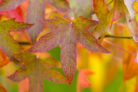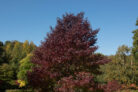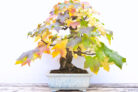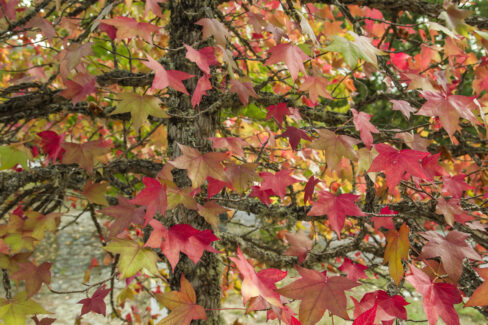
When it comes to fall foliage, the Sweetgum tree (Liquidambar) is the undisputed heavyweight champion. Seriously, this tree looks like a literal burning torch in the landscape once the weather cools down. It’s a total showstopper when planted as a focal point in your yard. But there’s way more to this beauty than just its “wow” factor in October. Let’s dive into what makes the Sweetgum so special.
A Family of Its Own
While they might look familiar, Sweetgums actually belong to their very own plant family. There are about 15 different species found across the globe, but the one we usually see in our neighborhoods is the American Sweetgum (*Liquidambar styraciflua*). Growers have developed tons of cultivars specifically bred to maximize that insane fall color.
Here’s the quick botanical breakdown:
- Family: Altingiaceae
- Native Range: North America, Central America, the Mediterranean, East Asia, and parts of Southeast Asia.
- Leaves: Alternate, star-shaped (palmate).
- Flowers: Small, globe-like, ranging from yellow-green to reddish-green.
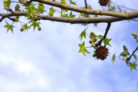
- Fruit: Spiky, spherical “gumballs.”
Those prickly little balls are actually the dried remains of the flower styles. They look a bit like chestnuts but aren’t quite as sharp. Also, a lot of people mistake the leaves for Maples at first glance because of that classic star shape, but once you see them up close, the Sweetgum has a personality all its own.
Planting Your Sweetgum
If you’re thinking about planting a Sweetgum in your garden, you’re in luck—it’s usually a breeze. These trees are hardy, frost-resistant, and rarely get bothered by pests or diseases. The main thing to remember? Give it some space! It loves being a “specimen tree” where it can soak up the sun. You’ll want a spot with full sun; if it’s stuck in the shade, it won’t grow as well, and that famous fall color will be way less vibrant.
Once it’s in the ground, the Sweetgum is incredibly low-maintenance. While it handles pruning just fine, you really only need to trim it if there’s a specific reason. If it’s growing beautifully on its own, just let it do its thing!
The one “must-do” for a happy tree is keeping the soil consistently moist. Sweetgums aren’t big fans of long droughts—if they get too thirsty, they might drop their leaves early to protect themselves. On the flip side, make sure the soil drains well. You don’t want it sitting in a swamp, as “wet feet” can lead to nasty issues like root rot. Keep that balance right, and you’ll have a stunning centerpiece for years to come!