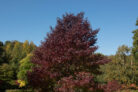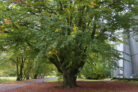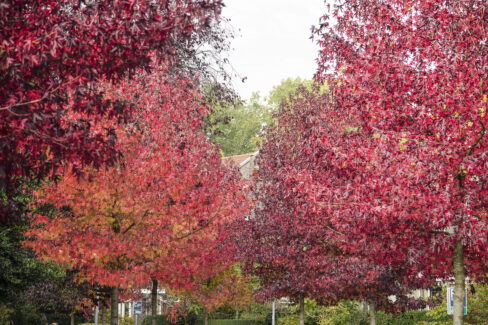
The Sweetgum tree is a total showstopper in any garden, especially when autumn rolls around and the leaves start turning those breathtaking shades of red and gold. Plus, depending on where you plant it, this tree can grow to a pretty impressive size!
Where It Comes From
If you take a look at the Sweetgum profile, you’ll notice it has a massive natural range. You can find it everywhere from the warmer regions of Eastern North America all the way down to Central America. It’s also right at home in the Mediterranean and parts of Southeast Asia.
Even though the Sweetgum loves soaking up the heat, it’s actually quite hardy and can handle freezing temperatures. However, the climate definitely plays a role in how big it gets. In its native southern habitats, it’s not unusual to see these giants reach 150 feet, but in areas with frosty winters, they usually stay quite a bit smaller.
Growing Sweetgum in Your Backyard
In a typical home garden, the Sweetgum can still grow into a magnificent specimen. It’s not exactly a speed demon, though—it grows at a moderate pace, usually adding about 20 inches a year. Most garden trees top out around 65 feet, though a few lucky trees in perfect spots might climb a bit higher.
The rule of thumb here is: the sunnier the spot and the milder the winter, the taller your tree will grow. In regions with a climate similar to wine country, it’s actually possible for a Sweetgum to reach those massive 150-foot heights!
Sweetgum as a Bonsai
Given how huge these trees can get, it’s hard to imagine them as tiny potted plants. But believe it or not, they are fantastic for bonsai culture! They handle pruning like a champ, which makes them easy to shape. You can keep a Sweetgum bonsai outdoors year-round; you just need to make sure the root ball is protected during the winter.
One reason bonsai enthusiasts love the Sweetgum so much is—you guessed it—that spectacular fall color. Plus, they have a cool way of looking like ancient, weathered trees after only a few years of training.