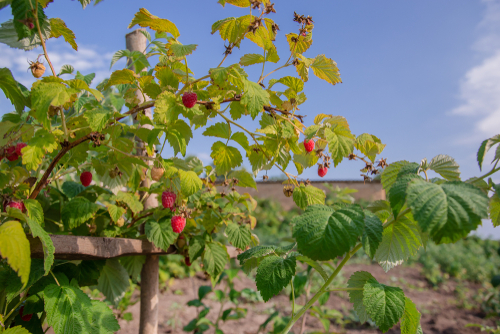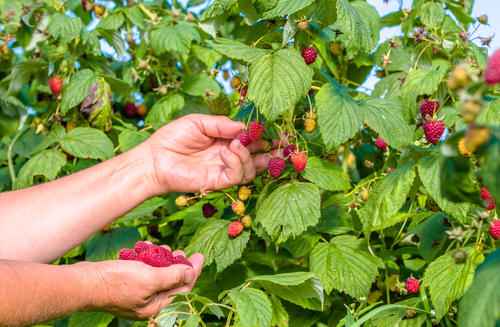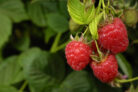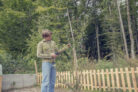
Most raspberry varieties need a little help standing tall. Left to their own devices, these plants tend to grow long, floppy canes that eventually sprawl all over the ground. Since a messy patch usually means a smaller harvest, you’ll want to guide that growth in the right direction.
Why do raspberries need a trellis anyway?
Now, not every single variety needs a support system—some stay naturally compact—but most of the popular ones definitely do. Here’s why setting up a trellis is a game-changer for your garden:
- It keeps your raspberry patch looking neat and compact.
- It prevents the canes from flopping onto the soil.
- It ensures every branch gets plenty of sunlight and fresh air.
- It’s a great way to prevent diseases and keep pests at bay.
The best trellis for summer-bearing raspberries
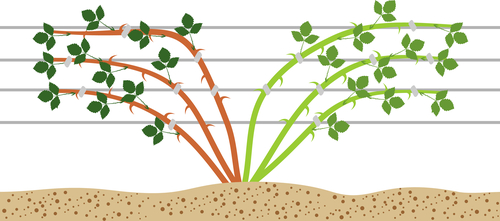
Summer-bearing raspberries are known for producing seriously long canes. For these guys, I highly recommend a “V-trellis.” This setup is brilliant because you can tie the first-year canes to one side and the second-year canes to the other, which makes pruning a total breeze later on.
To build one, drive a sturdy wooden post into the ground at each end of your row. Make sure they’re anchored well! Then, attach cross-arms to the posts. To get that signature V-shape, the top cross-arm should be wider than the bottom one, creating an angled support system for your canes.
The right support for fall-bearing raspberries
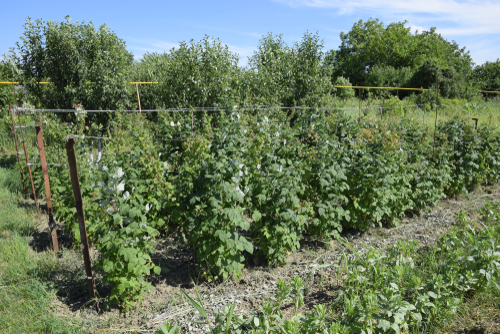
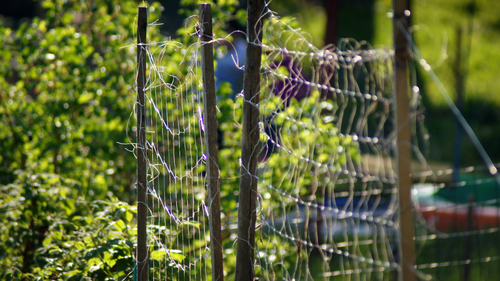
Fall-bearing (or everbearing) raspberries don’t usually get as wild and unruly as the summer varieties. For these, a simple wire fence or “box” setup usually does the trick. You can just stretch wire along the sides of the row; the canes will grow up through the middle and lean on the wire for support.
If you’re growing dwarf varieties in containers, you can keep it even simpler. A basic trellis made of a few bamboo stakes or wooden sticks is plenty to keep the stems upright.
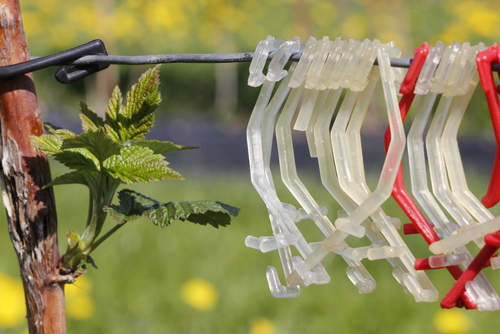
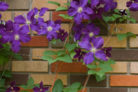
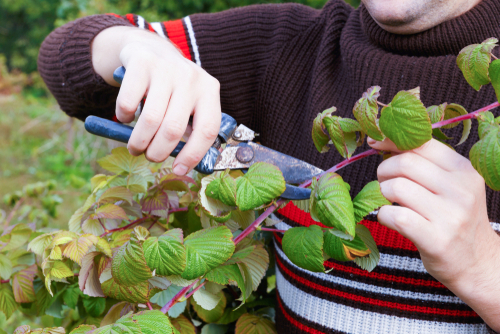
One quick pro-tip: even though we talk about “climbing,” raspberries aren’t actually climbers like ivy or peas. They don’t have tendrils to grab onto things, so they won’t head upward on their own. The trellis is just there for support and structure. You’ll need to manually secure the canes to your frame using garden twine, soft ties, or specialized clips. Your back (and your harvest) will thank you!