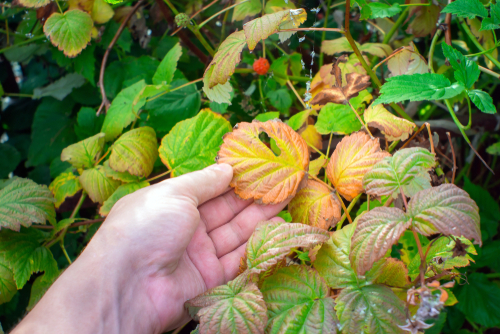
If you’ve ever gone out to your garden expecting a handful of sweet, sun-ripened berries only to find them half-eaten, you know how frustrating garden pests can be. But it’s not just the fruit you have to worry about—these uninvited guests love to snack on the leaves and canes, too. In this post, I’ll help you identify exactly who’s crashing your raspberry party and, more importantly, how to show them the exit.
The Most Common Raspberry Pests
- Aphids
- Raspberry Beetles
- Raspberry Cane Midges
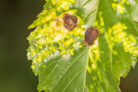
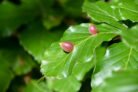
- Raspberry Leaf Gall Midges
Aphids are pretty easy to spot because they’re the ultimate “clique” of the insect world—they always hang out in large groups, usually huddled together on the undersides of leaves.
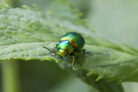
Raspberry beetles are a bit more devious. They lay their eggs right in the blossoms and on the leaves. Once the larvae hatch, they start munching away, which stunts the fruit’s growth. And if you do manage to find a berry that looks okay on the outside, there’s a good chance it’s hiding a gross little maggot inside.
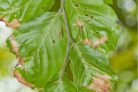
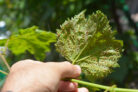
Gall midges (whether they’re the cane or leaf variety) are usually the culprits behind dried-out leaves and weak, brittle canes. If you don’t step in to help, these pests can eventually kill the entire plant.
How to Get Rid of Them
For aphids and midges, you don’t need harsh chemicals. A homemade stinging nettle tea or a simple soapy water spray works wonders. If you want to give it an extra kick, add a splash of vinegar to the mix—it’s a great natural way to send those bugs packing.
Dealing with raspberry beetles takes a little more “hands-on” effort. You’ll need to gently tap the canes and collect the tiny (about 3mm) beetles as they fall off. Pro tip: placing a cardboard collar or a tray around the base of the canes makes catching them much easier. Interestingly, these beetles usually only target summer-fruiting raspberries because their mating season wraps up by the time autumn varieties start to bloom.
Let Nature Do the Work: Beneficial Insects
One of the best ways to keep pests in check is to recruit some tiny bodyguards for your garden. Ladybugs, lacewings, and earwigs are all natural predators of the pests mentioned above. To keep these “good bugs” around, consider putting up an insect hotel. It’s a win-win: they get a cozy home, and you get pest-free raspberries!
B