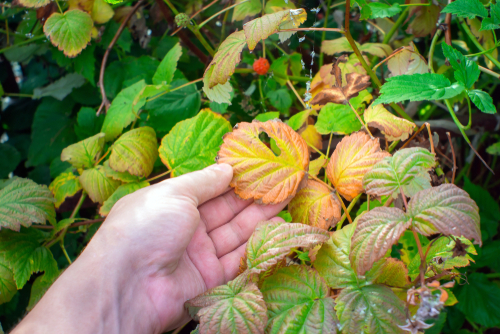
Growing raspberries in your own backyard is one of the most rewarding parts of gardening. But let’s be real—nothing ruins that “berry bliss” faster than spotting signs of disease or fungus on your favorite bushes. If you notice something looks off, you’ve got to act fast to save your harvest.
Common Raspberry Diseases to Watch Out For
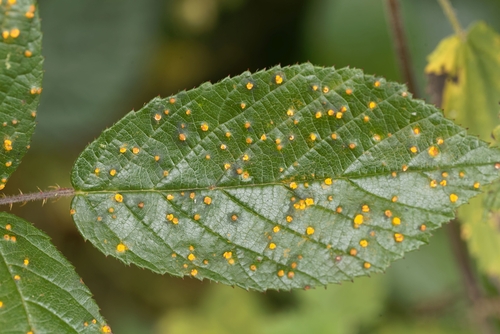
The three big troublemakers you’ll likely run into are:
- Cane Blight (Rutenkrankheit)
- Anthracnose (Brennfleckenkrankheit)
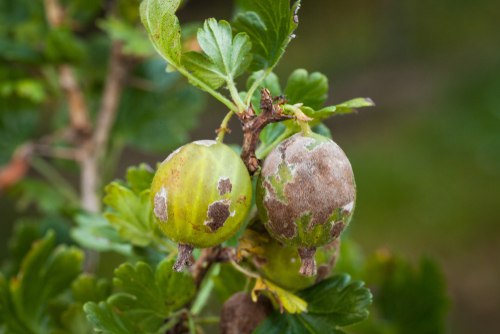
- Fruit Rot (Fruchtfäule)
Cane Blight
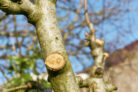
Cane blight is a stubborn fungal infection that usually targets older, multi-year canes. The fungus attacks the stems, essentially “choking” them so they can’t transport nutrients anymore. Eventually, the canes die off completely and have to be tossed.
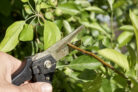
Fungus loves a crowded, humid spot. To prevent this, make sure you give your plants plenty of spacing and thin them out regularly to keep the air flowing. It also helps to keep the ground clear of fallen leaves and weeds. If you do spot infected canes, cut them out immediately and throw them in the trash—don’t compost them, or the fungus might stick around!
Anthracnose (Spot Disease)
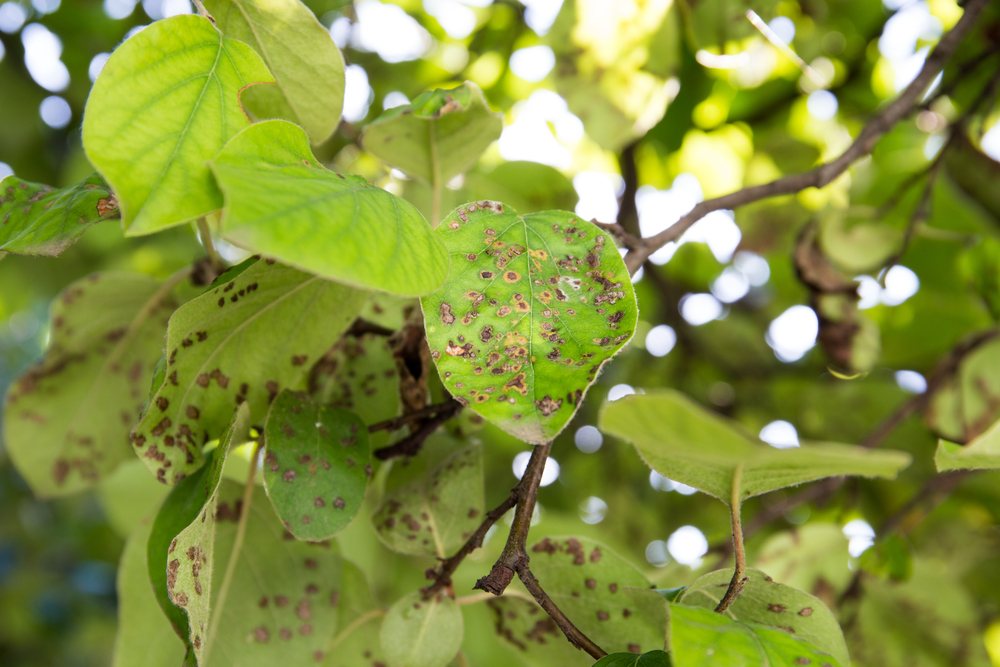
You’ll recognize this one by the small purple spots that pop up on young canes. While it sounds scary, it’s actually pretty common and usually isn’t a death sentence for your plant. In most cases, it won’t even hurt your berry yield. Just prune away the affected canes, and your raspberry patch should bounce back just fine.
Fruit Rot
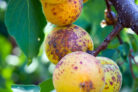
If your berries start molding before they’re even ripe, you’re likely dealing with fruit rot. This sneaky fungus actually starts during the flowering stage. The best move here is to pick off and dispose of any moldy fruit as soon as you see it.
For a natural fix, you can try spraying your plants with a homemade horsetail tea (it’s a classic organic gardener’s trick!). If the situation gets really out of hand, you might have to look into a chemical fungicide, but try the natural route first.
Pro Tip: Buy Resistant Varieties
When you’re at the garden center, the sheer number of raspberry varieties can be overwhelming. To save yourself a massive headache later, look for plants labeled as “disease-resistant” or “extra hardy.” Keep an eye out for tags that mention being “low-maintenance” or “resistant to pests and fungus.” Starting with a strong plant is half the battle!