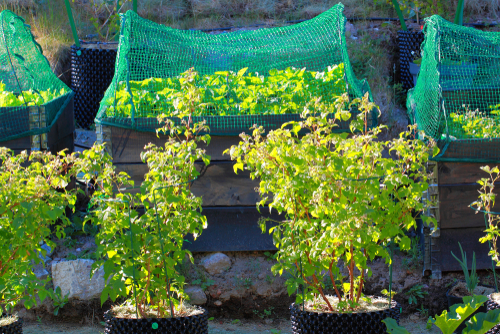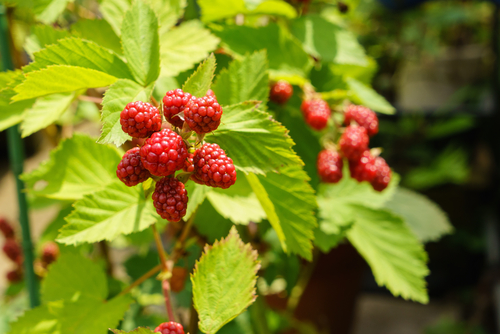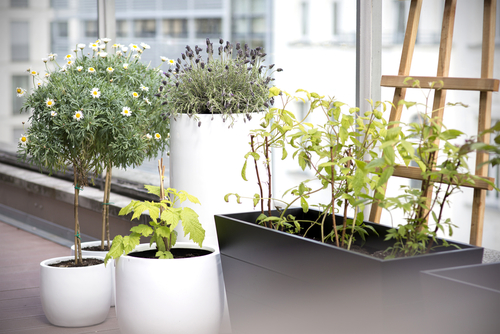
Who doesn’t dream of picking sweet, sun-warmed raspberries right in their own backyard? If you’re short on space, don’t let that stop you! You don’t need a massive garden plot to enjoy a harvest; raspberries actually do surprisingly well in pots right on your balcony.
Growing Raspberries in Containers
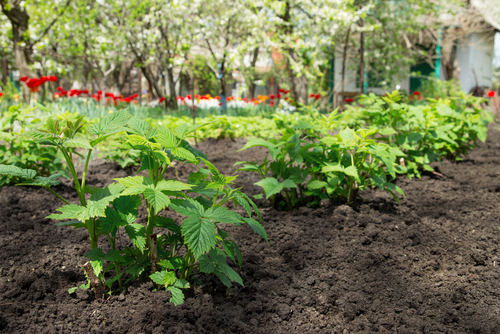
Naturally, raspberries are garden roamers. They love to spread out, sending out runners and roots everywhere. In a traditional garden bed, they can actually be a bit of a bully, taking over everything in sight. Growing them in a large container is actually a clever hack—it gives them the space they need while keeping their “world domination” tendencies in check.
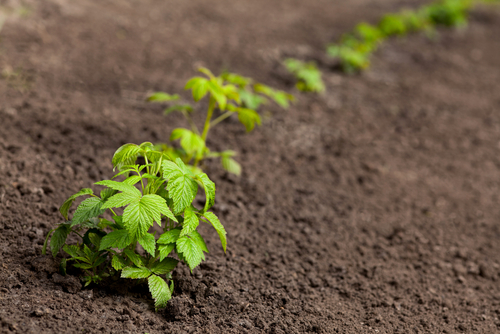
To make things even easier, look for specific “dwarf” or patio varieties bred for small spaces. These are perfect for pot culture. For instance, the “Sugana” variety stays nice and compact. Don’t let the size fool you, though—the yield is fantastic, and you can even get two harvests in one season!
Setting Up Your Balcony Raspberry Patch
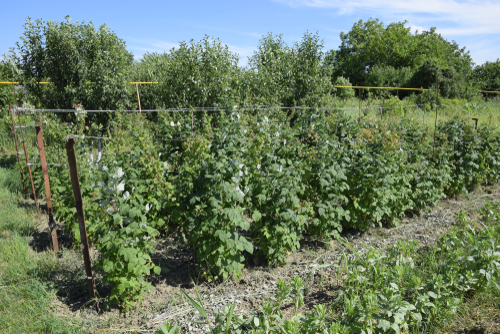
To get those berries popping, location is everything. Raspberries are sun-worshippers, so a warm, sunny spot is key—a south-facing balcony is basically a five-star resort for them. Just make sure they have a little protection from the wind, as they aren’t big fans of drafty spots. It’s also a smart move to stake your raspberries so a sudden gust doesn’t knock them over.
Here’s your shopping list to get started:
- A compact raspberry variety,
- A large pot (at least 6-7 gallons / 25 liters),
- High-quality potting soil or specific berry soil,
- Berry fertilizer or well-aged compost,
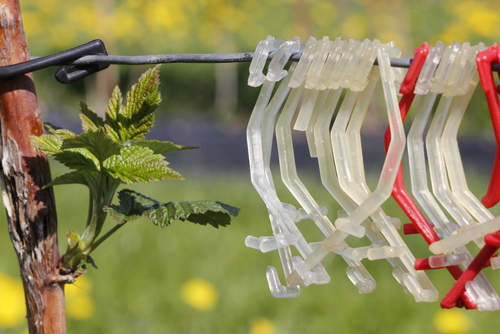
- A trellis or plant support.
Caring for Your Balcony Raspberries
First rule of thumb: make sure your pot has great drainage. Raspberries absolutely hate “wet feet.” If they sit in standing water, the roots can rot, and that’s game over for your plant. That said, because they are in a pot, they can’t go hunting for groundwater, so you’ll need to water them regularly to keep the soil from drying out.
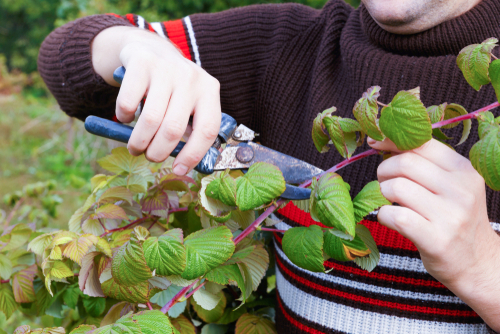
Keep the soil nice and loose, and be sure to prune back the canes right after harvest. Every two years, give your raspberry a “fresh start” by repotting it with new soil; by then, the plant will have used up most of the nutrients. To keep the fruit coming, toss in some berry fertilizer every few months during the growing season.
When winter rolls around, your potted friend needs a little extra snuggling. Wrap the pot in bubble wrap and move it close to the house wall for warmth. Pro tip: place the pot on a piece of wood or styrofoam to insulate it from the cold floor, and cover the soil with some brushwood or mulch. With these steps, your raspberries will be ready to wake up and produce again next spring!