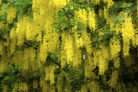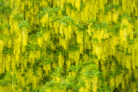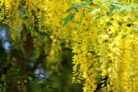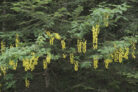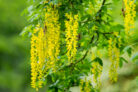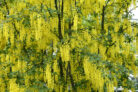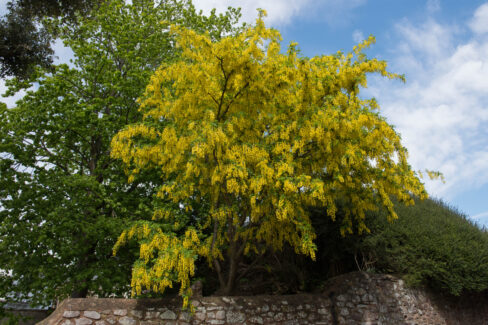
Laburnum, or Golden Chain Tree, is a total showstopper in the garden. It rewards you with those stunning cascading yellow blooms and is surprisingly low-maintenance. However, there’s one thing this beauty isn’t a fan of: moving day. While transplanting a Golden Chain Tree can be tricky, it’s not impossible if you follow a few key rules.
Golden Chain Tree roots are sensitive
One thing you should know about the Golden Chain Tree is that it’s a bit sensitive, both above and below the ground. Because of this, you should only prune your tree if it’s absolutely necessary. The same goes for the roots—avoid damaging them at all costs. This plant doesn’t heal very quickly from cuts, and open wounds can actually lead to rot.
Luckily, you rarely have to move a Golden Chain Tree for health reasons. Since it thrives even in poor, dry soil, you won’t usually need to relocate it just to find “better” dirt. As long as your tree isn’t stuck in super acidic soil or deep shade, it’ll usually find a way to persevere and show off its signature blossoms.
To get it right the first time, plant your Golden Chain Tree in:
- Neutral or alkaline soil
- A spot with good drainage (no standing water!)
- Full sun or partial shade
How to transplant a young Golden Chain Tree
When it comes to moving these trees, age is everything. Trying to dig up a mature Golden Chain Tree without mangling the root system is nearly impossible. If you really want one in a different part of your yard, you’re much better off starting fresh with a young sapling. Keep in mind that these trees aren’t exactly “forever” trees; they usually have a lifespan of about 15 years. After that, they tend to decline or stop blooming, which is another great reason to stick with younger plants.
If you do need to move a young tree, try to take as much of the root ball as possible. Draw a wide circle around the trunk and start digging carefully at the edges. And here’s a pro tip: unlike many other trees, you should not prune the branches back when you transplant it. At most, you can trim away tiny twigs thinner than three-quarters of an inch (2 cm). Anything more than that will just weaken the tree and make it harder for it to settle into its new home.