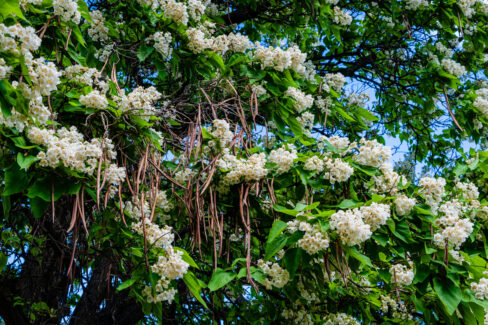
There are plenty of reasons why you might need to move your Catalpa (Trumpet Tree) from its original spot to a new home in your yard. But I’ll be honest with you: transplanting these beauties isn’t always a walk in the park.
Why You Might Need to Move Your Trumpet Tree
The reasons for relocating a Trumpet Tree vary, but most of the time, it comes down to two main things:
- The current spot just isn’t right for the tree’s health.
- It’s running out of elbow room.
The Wrong Location
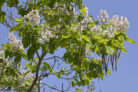
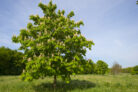
Generally speaking, Trumpet Trees are sun-lovers. They crave a warm, sunny location with soil that is moist, well-draining, and rich in nutrients. If your tree has been stuck in the shade for too long, it’ll definitely let you know—you’ll notice stunted growth, a lack of those gorgeous blooms, or other signs of distress.
Lack of Space
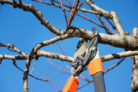
Another common reason for a move is the tree’s impressive growth habit. These trees like to spread out! If there isn’t enough room for it to reach its full potential at its current site, you might need to consider a good pruning or, more drastically, a change of scenery.
How to Handle the Transplant
If you’ve decided to move your Trumpet Tree, I recommend a two-step approach to give it the best chance of survival. First, in the spring, dig a trench around the root ball. Then, wait until the following autumn—ideally once the leaves have fallen—to actually move the tree. The following spring, you should also prune the branches back by about a third in both length and width to help the tree balance its energy.
With younger trees, getting them out of the ground is usually pretty straightforward. However, it’s a different story for large, established Trumpet Trees. Their wide-reaching root systems are almost impossible to dig up without some damage. Your goal is to keep that damage to a minimum so the tree doesn’t go into total shock.
Expect a Growth Pause
Because moving a Trumpet Tree inevitably means losing or damaging some roots, don’t be surprised if the tree takes a “timeout.” You might see a total halt in growth or a lack of flowers for a few seasons. This phase can actually last a couple of years, but don’t panic—it should eventually recover on its own. Transplanting is a huge stressor for a tree, so just give it the time it needs to settle in and get its roots established in its new home.