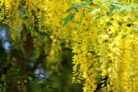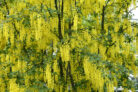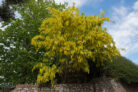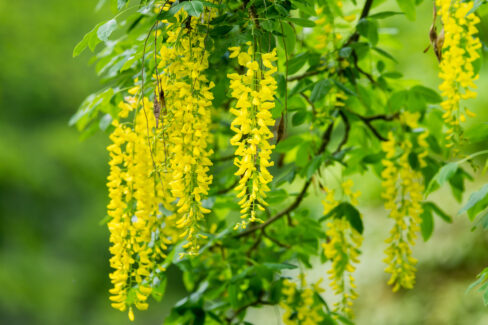
One of the best things about growing Golden Chain trees (Laburnum) is how tough they are. Beyond those stunning, cascading yellow flowers, these trees are famously hardy and don’t get sick very often. However, even the toughest plants have their bad days. Here’s a quick guide on what to look out for and how to keep your tree happy and healthy.
Spotting and Treating Silver Leaf
Generally speaking, the Golden Chain tree and its gorgeous blooms are pretty low-maintenance. If you pick the right spot for it, you’ll rarely have to deal with diseases or pests. That’s a huge plus for any gardener! But, if your tree does start looking a little under the weather, it might be “Silver Leaf.”
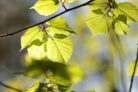
Silver Leaf is a fungal infection that gives the leaves a distinct, metallic gray or silvery sheen. Usually, this fungus only shows up if the conditions aren’t quite right. If you see that gray tint, it’s a sign that your tree’s location might be too cold or too damp. It often happens when the soil doesn’t drain well and the roots are sitting in standing water.
The fix? First, stop watering! Golden Chain trees are actually quite drought-tolerant and usually don’t need extra water once established. They even thrive in poor, dry soil. Next, prune away any infected branches. If you have to make any large cuts, it’s a good idea to use a pruning sealer to help the tree heal and prevent further infection.
Signs of Uninvited Guests (Pests)
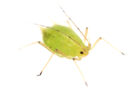
Sometimes, changes in your tree’s appearance are caused by tiny critters rather than disease. For example, aphids can leave behind a sticky, soot-colored residue on the leaves. If left unchecked, a big aphid party can actually mess with the tree’s metabolism and affect its blooming cycle. Another common culprit is the spider mite—you’ll know they’ve moved in if you see fine, spider-web-like threads on the foliage.
Keep an eye out for these common pests:
- Spider mites
- Aphids
To get rid of them, you can use a targeted insecticide or take the eco-friendly route by introducing natural predators. Beneficial insects like gall midges or predatory mites are great at chasing these pests away. If the infestation is really bad, go ahead and prune off the affected branches. Just like with Silver Leaf, remember to seal up any large pruning wounds to keep the tree protected.