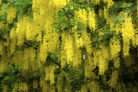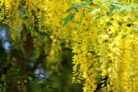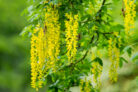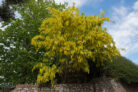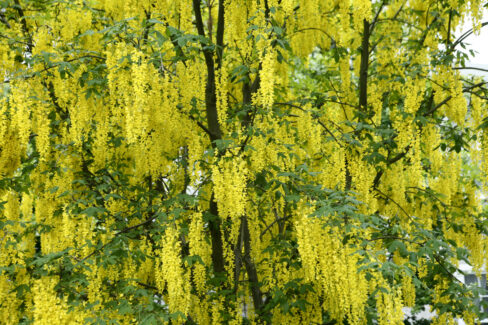
Generally speaking, Golden Chain trees (Laburnum) are pretty low-maintenance. They are hardy members of the legume family, and when they’re in full bloom, their stunning yellow clusters will easily steal the show in any garden. However, when it comes to pruning, you really need to know what you’re doing. Here are a few tips to keep your tree happy and healthy.
Golden Chain Tree Basics
In many ways, the Golden Chain tree is incredibly easygoing. It doesn’t need constant pampering, and it isn’t too picky about where it lives—check out our guide on the best location for Golden Chain trees for more details. It can thrive even in poor soil and grows well in both full sun and partial shade. But here’s the catch: it can be quite sensitive to root damage and heavy pruning. It’s definitely a “look before you leap” situation before you grab those shears.
Keep Pruning to a Minimum
The best thing about the Golden Chain tree? It naturally develops a beautiful shape and full blooms all on its own. In fact, you’re usually better off leaving it completely alone. Since the canopy doesn’t get overly wide, there’s rarely a practical reason to cut it back. The trick is to plan ahead when you first plant it.
Make sure you give it enough room to reach its full potential. Typically, these trees can grow up to 20-25 feet tall and can spread quite wide. You want to make sure it has the space to stretch out right where it is, because transplanting a Golden Chain tree is no easy task once it’s established.
Trying to control the height or width with heavy pruning is risky. Large cuts don’t heal very quickly on these trees, which can lead to rot. Once rot sets in, the tree can slowly decay from the inside out. To avoid this, only prune what is absolutely necessary.
When Should You Prune?
If your tree happens to be suffering from a disease or a major pest infestation, that’s the time to step in. In these cases, you should carefully remove the affected branches. If you only spot a few pests, though, you might want to try letting natural predators (like ladybugs) handle the job first.
Tips for a safe cut:
- Always use sharp pruning tools.
- Disinfect your tools before you start.
- Stick to cutting thinner branches whenever possible.
- Seal the pruning wounds.
By using a wound sealer, you prevent germs from entering the cut and protect the tree from rot. It also helps the bark grow back faster. Just keep in mind that younger trees handle pruning much better than older, established ones!