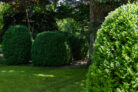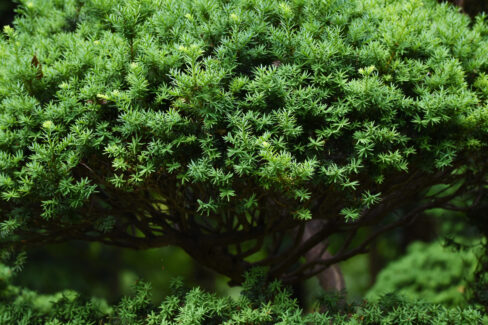
Thinking about moving a yew tree? It’s definitely doable, but there’s a “point of no return” you should know about. Once these trees get settled, their root systems become massive, making a DIY transplant pretty tricky.
Here’s the lowdown on how to move your yew successfully and, more importantly, when to do it.
Can You Actually Transplant a Yew?
Yews are famous for developing deep taproots that anchor them firmly into the earth. These roots are great for the tree—they provide amazing stability and help it find water even during a nasty summer drought. However, those roots take years to reach deep into the soil.
If you have a young tree, you’re in luck! Moving it is relatively straightforward. But if you’re looking at a massive, established yew, it’s a different story. Moving a large tree without killing it usually requires professional equipment and a pro’s touch to ensure the root ball stays intact. If your tree is a giant, you might want to call in a local arborist.
The Best Time of Year to Make the Move
Timing is everything in the garden. For a yew, autumn is your best bet. While you *can* technically move them at other times, fall offers the best conditions for success.
In the winter, you’re fighting frozen ground. In the spring and summer, the tree is in its active growth phase and “full of juice.” If you move it then, it’ll be incredibly thirsty and stressed, making it much harder to keep alive. Fall allows the tree to settle in while the weather is cool and the ground is still workable.
How to Move Your Yew: A Step-by-Step Guide
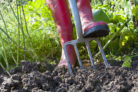
The goal here is to dig up the roots with as little damage as possible. Grab a garden fork and start digging a circle around the trunk. You’ll want to give the tree plenty of space—aim for a radius of about two feet from the trunk to keep the root ball protected.
Here’s your game plan for replanting:
- Hydrate: For smaller trees, place the root ball in a bucket of water for about 24 hours before planting.
- Dig Big: Your new planting hole should be twice as wide as the root ball.
- Drainage: If your soil is heavy clay, add a drainage layer (like gravel) at the bottom.
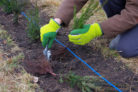
- Plant and Soak: Place your yew in its new home and give it a very thorough watering.
Once it’s in its new location, don’t walk away just yet! Keep a close eye on it for the first two weeks. It’s going to need much more water than usual while it’s trying to establish its roots in the new soil. Happy gardening!