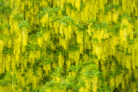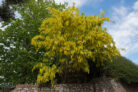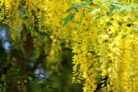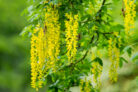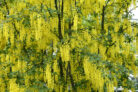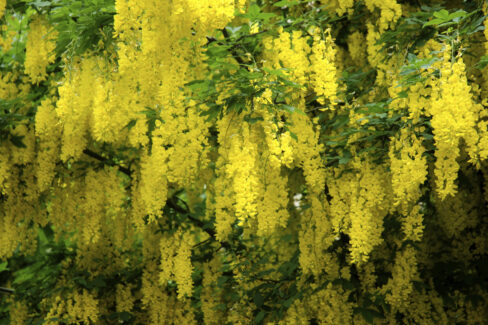
Laburnum, commonly known as Golden Chain Tree, is famous for its stunning yellow blooms that give the plant its poetic name. If you’ve ever seen one in full swing, you know exactly why it’s a garden favorite! Here’s the lowdown on when you can expect those golden clusters to appear and what makes these flowers so special.
Bloom timing depends on the variety
Not all Golden Chain Trees are created equal. There are a few different varieties out there, and each has its own schedule. Botanically speaking, we usually distinguish between the Waterer Laburnum (often called “Long-cluster”), the Common Laburnum, and the Alpine Laburnum.
The Waterer Laburnum is the one you’ll see most often in professional landscaping. That’s because, when tucked into the right spot, it produces incredibly lush, full blossoms. Since these varieties are native to different climates, they’ll wake up at different times of the year.
Here are the three main types:
- Waterer Laburnum (Edel-Goldregen)
- Common Laburnum (Gemeiner Goldregen)
- Alpine Laburnum (Alpen-Goldregen)
The flowers themselves hang from the branches in long, vibrant yellow clusters. They have a lovely, strong fragrance that acts like a magnet for local wildlife. These blossoms are a fantastic food source for both butterflies and bees. By adding one to your yard, you’re actually doing a huge favor for your local ecosystem!
When does the “Golden Rain” actually start?
The popular Waterer Laburnum is an early bird, provided the plant is healthy and happy. As soon as the April temperatures start to climb, you’ll see the first buds opening up. Of course, if we’re having a particularly chilly spring, the tree might hit the snooze button for a week or two. Generally, you can enjoy the show all the way through June.
The Common Laburnum is native to warmer, southern regions. If it’s growing somewhere a bit cooler than its Mediterranean home, it might take a little longer to bloom. Usually, its display isn’t quite as “wow-worthy” as the Waterer variety, and the season typically wraps up by the end of May.
Then there’s the Alpine Laburnum. As the name suggests, this one hails from cooler mountain regions. Because it’s used to a later spring, it often waits until May to start showing off. The blooms usually stick around until June. The big plus with this variety? It’s tough enough to thrive and flower in colder climates where other ornamental trees might struggle.