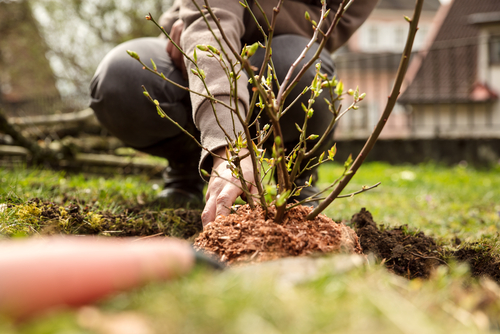
Thinking about moving your peonies to a spot where they’ll be happier, or maybe you’re just giving your garden a total makeover? Well, I’ve got to be honest with you: these beauties are a bit like homebodies—they really don’t like to be disturbed. If you move them the wrong way, they’ll definitely let you know it! But don’t worry, I’ve got you covered. Here’s everything you need to know to keep your peonies happy during a move.
The Best Time to Transplant Peonies
Peonies are famous for being “one-and-done” plants; they prefer to stay in the same spot for years. Ideally, you’d pick the perfect home for them right from the start. However, life happens, and sometimes a move is unavoidable. By picking the right moment and following a few simple tricks, you can help your peonies settle into their new home much faster.
The best windows for moving them are:
- Right after they finish blooming
- Early spring
- Late summer
Late summer or early spring are usually your best bets. Pro tip: Check the weather forecast and try to pick a week where there’s no heavy frost or a heatwave on the horizon. This gives the roots a chance to get cozy in the new soil with plenty of moisture. Another great time to make the move is just after the flowers have faded for the season.
How to Move Your Peonies Step-by-Step
First things first: find a sunny spot! Peonies love the sun. One golden rule is to avoid planting them in a spot where other peonies were growing recently—they like fresh “un-peonied” soil. Before you put them in the ground, loosen the soil up a bit. This makes it way easier for the roots to stretch out and get established.
Here’s your game plan:
- Pick a sunny, prime location.
- If you have a massive peony bush, feel free to divide it in half.
- Dig a hole at the new site.
- Replant it at the same depth it was growing before (this is super important!).
- Give it a good soak and a little bit of fertilizer.
Once they’re in their new home, keep a close eye on your peonies. They’re going to be thirstier than usual for the first few weeks, so make sure to water them regularly. Just be careful not to overdo it—you don’t want them sitting in soggy soil, which can lead to root rot. If you want to know how they’re doing, just look at the leaves. They’re the best indicator of the plant’s overall health and how well it’s adjusting to the move!