The term “Cottage Rose” (or *Bauernrose*) is one of those names that gets tossed around for a few different plants. If you’ve ever wondered exactly what someone means when they use the name, or what kind of flower they’re actually talking about, you’re in the right place! I’ll break down the mystery behind the name and give you the lowdown on how to care for these beauties—whether they are Peonies or Hollyhocks.
The “Cottage Rose” Mystery: What’s in a Name?
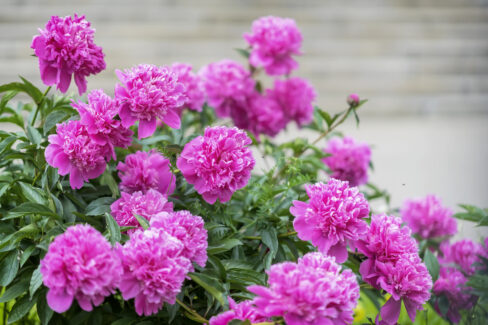
When someone mentions a “Cottage Rose,” they aren’t usually using a strict botanical term. In fact, most seasoned gardeners will use a more specific name because “Cottage Rose” is a bit of a catch-all. Depending on who you’re talking to, they might be referring to the Common Peony or even Hollyhocks. Even though they are totally different species, they often get lumped together under this rustic nickname.
Here’s the “Cottage Rose” vibe:
- Wide, lush blooms
- Bushy growth habit
- A lovely, nostalgic fragrance
So, why the shared name? It’s all about the aesthetic. The name comes from the fact that these flowers look right at home in a classic, rustic farmhouse garden. Instead of the stiff, formal look of high-end hybrid tea roses, these plants are bushy, full-bodied, and overflowing with petals. Because Peonies fit this description so perfectly, they are the plant most people are talking about when they use the term.
How to Keep Your Plants Happy
If you’re looking to add that charming cottage feel to your own backyard, there are a few things you’ll want to keep in mind. First off, location is everything! These plants absolutely love the sun, so pick a bright spot. You’ll also want to choose a place that’s sheltered from the wind; those heavy blooms can make the stems a bit top-heavy, and a strong gust can easily snap them.
When it comes to watering, consistency is key. You want to keep the soil moist, but be very careful to avoid “wet feet” (standing water). Whether you’re growing Hollyhocks or Peonies, soggy roots are bad news. If the water sits too long, the plant won’t be able to take up nutrients properly, which leads to fewer flowers—or worse, the plant might not make it at all.
Pro tip: When you’re planting your roses, try adding a drainage layer to the hole. Mixing a little gravel or sand into the soil helps the water flow away from the roots, keeping your plants healthy and your garden looking like a rustic dream!