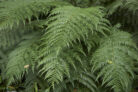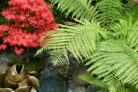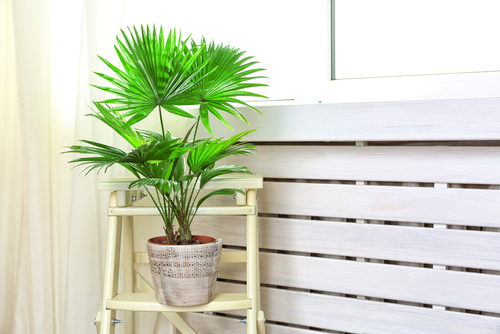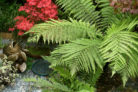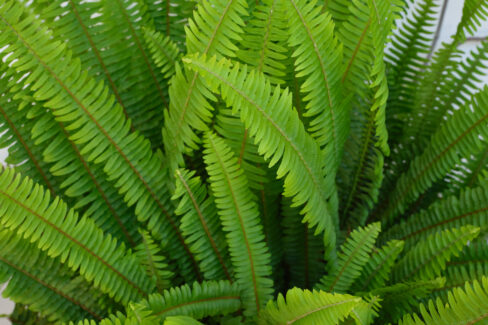
Let’s be honest: the Tree Fern isn’t exactly a “studio apartment” kind of plant. When these beauties reach maturity, their fronds can span a massive thirteen feet across! But if you’ve got the square footage to spare, there is simply no better way to make a bold, tropical statement in your home.
A Little High-Maintenance (But Worth It)
That exotic green canopy comes with a bit of a trade-off—Tree Ferns are definitely what I’d call “divas” when it comes to care. They aren’t the type of plant you can just set and forget. Keeping them happy requires a consistent routine, and that starts with finding the perfect spot in your house.
Location and Soil: Finding the Sweet Spot
When it comes to ferns, and Tree Ferns in particular, lighting is everything. They crave bright light, but they absolutely hate direct afternoon sun, which can scorch those delicate fronds. Your best bet is a spot with bright, indirect light or partial shade. If you’re stuck between a dark corner and a sunny south-facing window, go with the shade—they’ll handle a bit of gloom much better than a sunburn.
As for the soil, these plants have some pretty specific tastes. They want a mix that’s rich in nutrients and organic matter (humus), but it also needs to breathe. Good drainage is a must because “wet feet” (standing water) is a death sentence for them. They also prefer slightly acidic conditions, so try to keep the lime content low.
For the perfect DIY potting mix, try blending:
- High-quality potting soil
- Peat moss (or a sustainable coco coir alternative)
- Sand
- Fine gravel or perlite
Watering and Feeding
Because of that well-draining soil mix, you never want the pot to be waterlogged. However, you also can’t let it dry out! The secret to a thriving Tree Fern is consistency. It’s better to water a little bit frequently rather than drenching it once a week. This rule stays the same even if you move your plant outdoors for the summer and bring it back inside for overwintering.
When it comes to fertilizer, you can take a “less is more” approach. From April through September, just add a bit of liquid fertilizer to your watering can once a month. Usually, half the dosage recommended on the bottle is plenty to keep them looking lush and green.