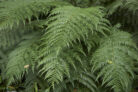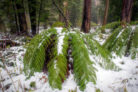
Out of the roughly 17,000 fern species found worldwide, only about two hundred are actually native to Europe. Because of those tropical roots, most ferns aren’t naturally built to handle a harsh winter outdoors—especially the varieties that grow a trunk, like our beautiful tree ferns.
Protecting Your Garden Ferns
If you’re growing varieties like the Tasmanian or Australian tree fern, they *can* actually stay outside during the winter, but you’ve got to give them a little extra TLC to survive the frost. Here’s my go-to checklist for winterizing them:
- Trim the fronds back by about half and gently tie them together.
- Wrap the trunk securely using straw mats or garden fleece.
- Give the roots a cozy blanket by covering the base with leaves, brushwood, or a thick layer of bark mulch.
Wintering Potted Ferns
If your tree fern lives in a pot on your patio or balcony, it’s a bit more vulnerable and shouldn’t stay outside unprotected. However, don’t make the mistake of bringing it into a toasty living room—they actually hate standard indoor heating in the winter! Instead, find a bright, cool spot like a garage or sunroom where the temperature stays between 40°F and 50°F. Just remember to keep the humidity up and don’t forget to water them occasionally throughout the winter months.
Improvising Outdoors
If you’re tight on indoor space and have to leave your pots outside, you’ll need to get a little creative to shield them from the deep freeze. First, move your pots as close to the house wall as possible for warmth. Next, you need to insulate them from the frozen ground—place the pots on wooden blocks or Styrofoam boards at least two inches thick. Finally, wrap both the pot and the plant itself in garden fleece for that vital extra layer of protection.