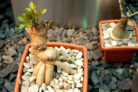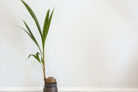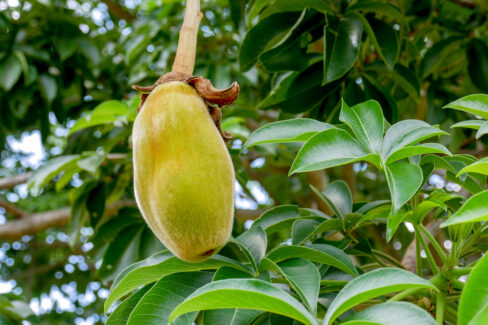
The Baobab tree (also known as the Monkey Bread tree) loves soaking up the warmth! While it’s happy to spend its summers outdoors, it absolutely cannot handle frost. If you’d rather not move it back and forth, don’t worry—it actually makes a fantastic year-round houseplant.
Finding the Perfect Spot
If you’re keeping your Baobab indoors all year, try to find a spot that isn’t directly above a heater. These trees love bright light, but they can get a bit “sunburned” if they’re sitting in harsh, direct sunlight all day. A window facing East or West is usually the “Goldilocks” zone—just right! If you have a south-facing window, just move the tree back a bit onto a shelf or table so it gets plenty of light without being scorched.
One thing to keep in mind: if you keep it at room temperature year-round, your Baobab likely won’t produce fruit. To get those blooms and fruit, the tree needs a cooler “rest phase” during the winter to develop its flower buds. But hey, if you’re just in it for the cool foliage and don’t mind missing out on the flowers, you can skip the winter chill altogether.
Watering Tips
The biggest mistake people make with Baobabs is overwatering. Remember, these guys come from the arid regions of Africa, so they are pros at surviving on very little water. Always water sparingly and use the “finger test” before you reach for the watering can.
Just stick your finger into the soil—if the tip feels moist, hold off on the water. If you notice the branches starting to droop, feel soft, or if your Baobab starts dropping leaves, that’s usually a red flag that your watering routine is a bit off.
Fertilizing
To keep your Baobab thriving, I recommend a solid feeding twice a year—once in the spring and once in the fall. In between those times, you can give it a little boost every two months by adding a small amount of liquid fertilizer to your watering can.
For those main feedings in spring and fall, a mineral-based slow-release fertilizer works wonders. You don’t really need a heavy-duty nitrate fertilizer; the liquid doses throughout the year are usually more than enough to keep it happy.
Pruning
In the wild, these giants can reach up to 65 feet tall! Fortunately, when grown in a pot, they usually top out at around 6 feet. You don’t need to worry about a strict pruning schedule, but the great thing is that you can prune a Baobab any time of year. If it starts getting a bit too wide for your living room or a specific branch is in the way, feel free to give it a trim whenever you like.