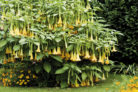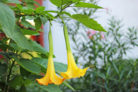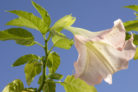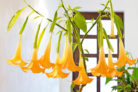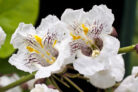
The Trumpet Vine isn’t just a favorite for its vigorous growth; those massive, colorful blooms are a total showstopper in any backyard. But here’s the thing: if you’re waiting for those flowers to show up, you might need a little bit of patience!
The Blooms
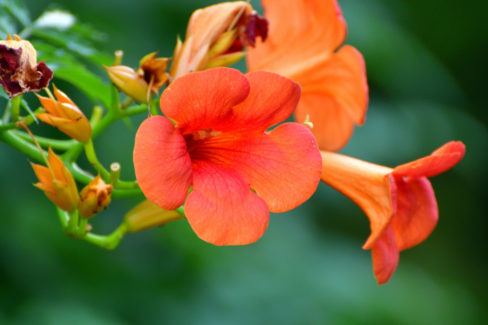
When it’s time to shine, the Trumpet Vine puts on a serious show with large, decorative flowers in a variety of colors. Their claim to fame is that iconic shape—long, flared tubes that look just like little trumpets (which is exactly how they got their name!). Each individual flower can grow up to three inches long, and they usually cluster together at the tips of the branches in groups of up to 20.
Blooming Season
The Trumpet Vine is a summer superstar, but compared to other garden favorites, it’s a bit of a late bloomer. You usually won’t see that explosion of color until the back half of the season.
Late Bloomers
Don’t panic if your garden is in full swing and your vine is still just green. Most Trumpet Vines don’t start opening up until July or even September. The silver lining? Once they start, they usually stick around through October, giving you several months of color. Depending on the variety and if the weather is just right, some early birds might start popping as early as June.
The Waiting Game
If you just planted your vine, you’re going to need a healthy dose of patience. These plants usually take about four to five years to establish themselves before they produce their very first flower. So, if your new plant doesn’t bloom next summer, don’t worry—it’s just getting settled in!
Setting the Stage for Success
Getting a spectacular floral display isn’t just about the age of the plant. The location and the weather play huge roles. These vines crave warmth and sunshine; the sunnier the spot, the earlier and longer they’ll bloom. On the flip side, a cold, rainy summer can lead to fewer flowers or, in some cases, no blooms at all.
Troubleshooting: Why Isn’t My Vine Blooming?
If you’ve waited out the initial five-year mark and you’re still seeing nothing but leaves—or if a vine that used to bloom has suddenly stopped—there are usually a few common culprits:
- Location issues: It’s not getting enough sun or the soil is staying too soggy.
- Lack of pruning: These vines need a good trim to encourage the new growth where flowers actually form.
- Grown from seed: If you started your vine from a seed rather than a cutting or a nursery start, it might just be naturally “stubborn” about blooming.