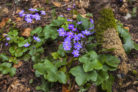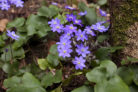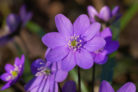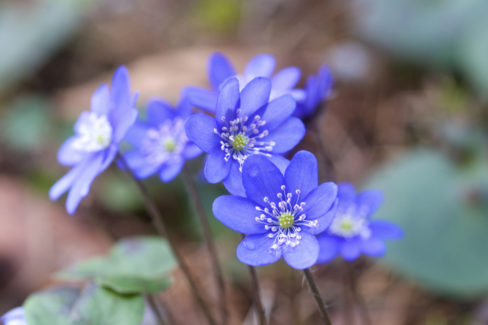
With its stunning blue-violet petals, the Liverleaf (Hepatica) is a total fan favorite when it comes to spring blooms. It’s not just the local woodlands that get a colorful makeover during its blooming season; these little beauties are also perfect for your home garden, balcony, or patio.
One of Spring’s Earliest Guests
If you’re looking for an early sign of spring, the Liverleaf is it! It’s actually one of the very first flowers to wake up, often showing off those vibrant blue-violet petals as early as late March or early April. Just a heads-up, though: while they arrive early, they don’t stick around for long. Usually, the blooms fade after about a week, so you’ll want to enjoy them while they last!
Nighttime and Rainy Day Behavior
These flowers are a bit like us—they like to tuck themselves in when the weather gets rough. During the night or on gloomy, rainy days, the petals close up tight. But as soon as a sunny, dry morning rolls around, they open right back up to show off that gorgeous blue color.
The Secret to a Great Bloom
While Liverleaf loves a good semi-shaded spot and can handle less sunlight than many other plants, they aren’t huge fans of cold, soggy weather. Too much moisture and chill can actually cut their blooming season short.
Bringing Liverleaf to Your Garden
In the wild, you’ll mostly find Liverleaf tucked away in forests, clearings, and meadows. But they are also fantastic for planting at home. You can tuck them directly into your garden beds or pot them up to brighten up your balcony or terrace.
Because they grow slowly and stay pretty low to the ground, they make excellent “under-plantings” for larger shrubs. Their blue flowers look especially charming nestled under:
- Hazelnut bushes
- Witch hazel
- Lilacs
- Forsythia
A Quick Safety Note: They’re Slightly Toxic
Keep in mind that those pretty blue flowers are slightly toxic. If the sap touches your skin, it can cause some irritation or a rash. I always recommend wearing gardening gloves when you’re planting or handling them. Also, make sure to keep an eye on curious kids and pets to ensure they stay away from these little guys.
Respect the Wild Ones
If you’re out hiking in Germany, remember that wild Liverleaf is a protected species. Even though it’s tempting to pick a bouquet of those forest flowers, it’s actually illegal and can come with a fine. It’s best to just snap a photo and enjoy the sea of blue in the woods without disturbing nature!