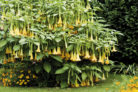
Let’s be honest: Angel’s Trumpets (*Brugmansia*) are a bit like the “divas” of the garden world. They are gorgeous, but they can be pretty sensitive. To keep them happy, you’ve got to stay on top of your watering and fertilizing game, but more importantly, you need to keep a sharp eye out for uninvited guests.
A Whole Host of Potential Pests
The good news? Angel’s Trumpets aren’t really prone to your typical plant diseases. You won’t have to worry much about fungi or mildew. The bad news? Bugs absolutely love them. Here are the usual suspects you’ll likely run into:
- Aphids
- Plant bugs (Lygus bugs)
- Spider mites
- Black vine weevils
Aphids and Plant Bugs
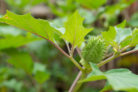
Plant bugs are tiny and sneaky. Often, you won’t even notice they’re there until you see holes chewed through the leaves of your prized plant. My favorite pro tip for dealing with them? Give your plant a good shake first thing in the morning. Since the bugs are still sluggish from the cool night air, they’ll drop right off, and you can collect them. If that feels a bit too hands-on, a firm blast from the garden hose or a spray of soapy water usually does the trick for both plant bugs and aphids.
Spider Mites
If you notice a silvery sheen on the leaves or start seeing tiny, fine webs, you’ve got spider mites. If you catch them early, a thorough “shower” with the hose can wash them away. However, if the infestation has really taken hold, you’ve got a choice to make: you can either use a chemical pesticide or give the plant a heavy pruning to remove the affected areas and start fresh.
Black Vine Weevils
You’ll know you have vine weevils if you see distinctive, semi-circular notches chewed out of the edges of the leaves. While the leaf damage looks bad, the real danger is happening underground. The larvae live in the soil and feast on the root system. This is a big deal because it destroys the plant’s ability to take up water, which can be fatal for a thirsty Angel’s Trumpet. The best way to handle this naturally is by using beneficial nematodes—tiny roundworms that hunt down the larvae in the soil. While the nematodes do the dirty work underground, you can hand-pick the adult beetles off the foliage at night.