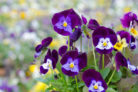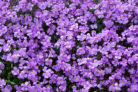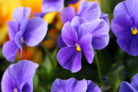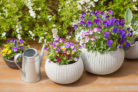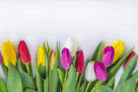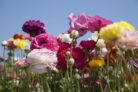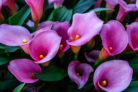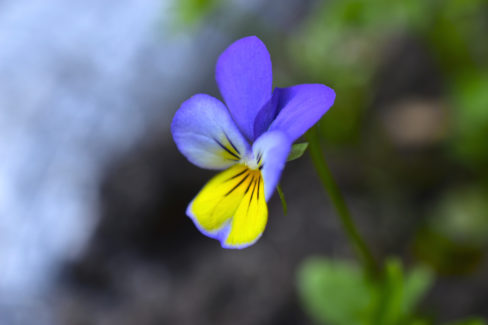
As long as there’s still a crisp chill in the spring air, violets are out there doing their thing, creating gorgeous, fragrant carpets of color. These little beauties—usually in shades of blue—are the first to brighten up those damp, semi-shaded corners of the garden. But keep an eye on the thermometer! Once the air warms up past about 46°F (8°C), the violet blooming season starts to wind down.
Viola Species and Their Colors
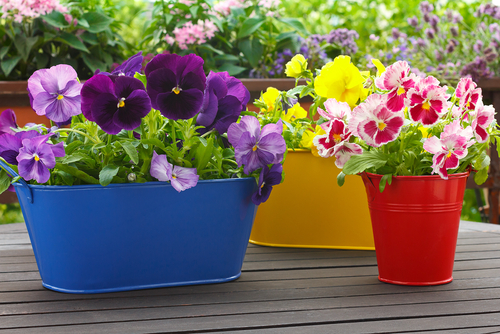
Did you know there are over 400 species of violets? And they definitely aren’t all “violet” blue. The color palette gets really wild when you look at Horned Violets (Violas) and Pansies, which are part of the same family. You can find solid colors in red, blue, yellow, orange, and white, plus some stunning bi-color and tri-color varieties. Soft pastels are also a huge hit with gardeners right now.
When it comes to the smaller types, the Sweet Violet is probably the most famous. Its classic look is a deep, rich violet-blue, but breeders have had some fun creating new varieties. For example, ‘Red Charme’ shows off purple blooms, ‘Albaflora’ is a pure white, ‘Sulphurea’ brings a unique yellow-orange to the table, and ‘Wismar’ features lovely lavender petals with white speckles. Here are a few other species and their signature colors:
- The Common Dog Violet shines in a classic violet-blue.
- The Pale Wood Violet blooms in a soft blue-violet.
- A cultivated version of the Wood Violet called ‘Purpurea’ offers reddish-violet tones.
- The Heath Dog Violet impresses with bright, vivid blue flowers.
- The Labrador Violet blooms in a delicate porcelain blue.
- The Marsh Blue Violet is traditionally violet-blue.
- Cultivars of the Marsh Blue Violet like ‘Albiflora’ are white, ‘Gabriela’ is purple, and ‘Freckles’ has cool white petals splashed with blue.
That Iconic “Violet Blue”
Most of us, when we think of violets, picture that specific “violet-blue” hue. This color is actually pretty rare in nature because it’s a mix. It comes from anthocyanins—water-soluble plant pigments that give flowers and fruits their intense colors. Violet-blue is a blend of a warm, energetic red and a cool, calming blue.
However, getting that perfect, glowing violet-blue in your own garden isn’t always a guarantee. It depends a lot on the environment. If you’ve tucked your plants into the wrong spot, that beautiful blue can fade fast. Too much direct sun, for instance, can bleach out the intensity. A lack of TLC—like missing nutrients or not enough water—is often the culprit behind a pale, washed-out Viola.