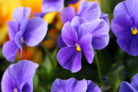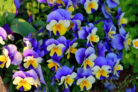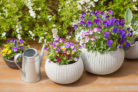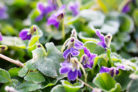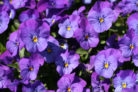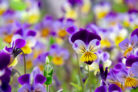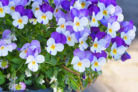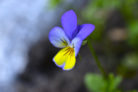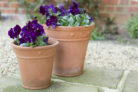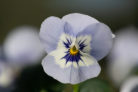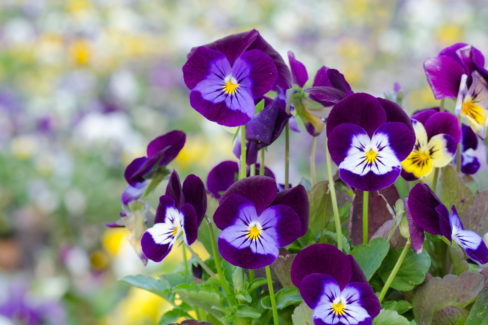
Violets are the unsung heroes of the garden for most of the year. Their leaves blend right into the lawn or hide quietly under shrubs and hedges without making much of a fuss. But once early spring rolls around, these little beauties take center stage. Their vibrant purple blooms pop up everywhere, and if you’re lucky enough to have Sweet Violets, you’ll catch that incredible fragrance wafting through your yard long before you even see them.
When do Violets bloom?
There isn’t just one “violet season.” Depending on the variety, they start blooming at different times and stick around for different durations.
The most famous one is definitely the Sweet Violet, which opens up its fragrant petals between March and April. Other cousins in the *Viola* family take their time and show up a bit later. Here’s a quick cheat sheet for the most common types:
- Horned Violets (Viola cornuta): These look a lot like mini pansies and bloom from May all the way through September.
- Garden Pansies: A backyard staple! These cheerful, bright flowers keep going from April to October.
- Common Dog Violets: These woodland favorites bloom from April to May.
- Marsh Violets: These like things a bit damp and bloom from April to June.
- Parma Violets: Known for their double blooms in pale purple or white, they flower from March to May.
- Confederate Violets: These light blue beauties usually show up around late spring, blooming from May to June.
- Fen Violets: These milky-white flowers are present from May to June.
- Wild Pansies (Johnny Jump Ups): These hardy little guys have a long season, blooming from May to September.
- Pale Wood Violets: You’ll see these light blue-violet flowers from April to June.
By mixing and matching different varieties, you can keep your garden looking (and smelling!) great for months on end.
Harvest time is bloom time
If you’re interested in the medicinal side of gardening, you’ll want to harvest your *Viola* while it’s in full bloom—that’s when the active compounds are at their peak. You can collect the flowers, leaves, and even the roots. In natural wellness circles, violet extracts are often used for their:
- Antibacterial properties
- Ability to help stop minor bleeding
- Calming and soothing effects
- Pain-relieving qualities
- Cooling sensation
Violets also have a long history in the kitchen, especially when it comes to sweets. Candied violets are a classic way to give cakes or desserts a sophisticated, gourmet finishing touch.
What to do after the flowers fade
Once the blooming period is over, you have a choice to make. If you want to keep things tidy and prevent the plants from spreading everywhere, you can deadhead the wilted flowers. However, if you want your violets to naturalize and fill in more space, just leave them alone and let the seeds develop naturally.