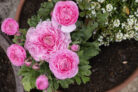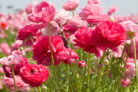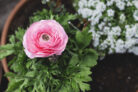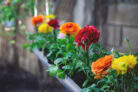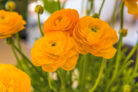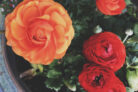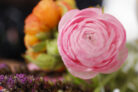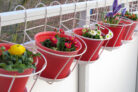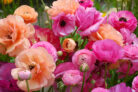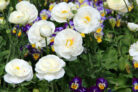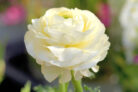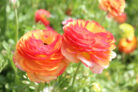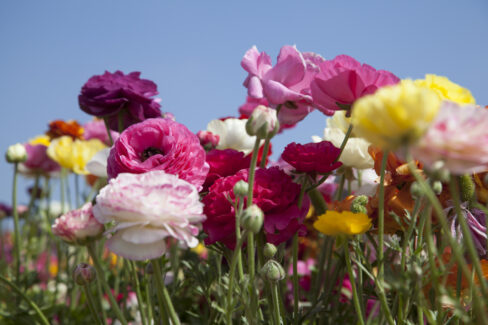
Ranunculus are absolute favorites for early spring color, whether you’re planting them in garden beds or brightening up your patio and balcony with containers. They also make incredible cut flowers that add a pop to any spring bouquet. Thanks to their massive range of colors, they play well with just about any other flower in your garden.
Ranunculus: A Rainbow of Possibilities
Ranunculus boast gorgeous, globe-shaped blooms that look a lot like roses or peonies. Because they come in such a wild variety of colors, every gardener is bound to find a favorite. The color palette covers all the basics, including:
- White
- Red
- Pink
- Purple
- Orange
- Yellow
But it doesn’t stop there! You can find everything from creamy pastels and golden yellows to deep blood-red and even light blue. Some of the most eye-catching varieties are bicolor—think white petals with a pink edge, orange blooms with a green or yellow center, or sunny yellow tipped in red. Plant breeders are constantly coming out with new shades every year, each one more stunning than the last.
Beyond just the colors, you’ll also find different flower shapes. Ranunculus come in large-flowered or small-flowered varieties, and you can choose between double, semi-double, or single blooms.
Keeping Those Colors Vibrant
Whether you’re using ranunculus as cut flowers or growing them in your garden, a few factors affect how punchy those colors stay. When you’re shopping, start by picking plants that already show intense color. For indoor arrangements, give them fresh water every two to three days and keep them in a cool room to help those bright hues last as long as possible.
If you’re growing them in beds or pots, start with strong-colored plants and give them the right environment to thrive. The best spot isn’t in the baking sun; they actually prefer partial shade or even full shade. They love nutrient-rich soil that stays slightly moist. To keep them happy, mix a standard liquid fertilizer into your watering can about every two weeks.
The Blooming Season
Ranunculus are classic spring bloomers that usually start showing off in May. These cheerful “flower balls” will keep your spirits high all the way into July. The most important maintenance tip during this time? Deadheading! If you regularly snip off the faded blooms, the plant will get right to work producing brand-new buds.