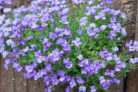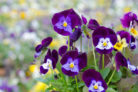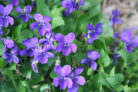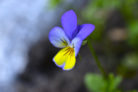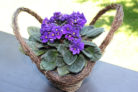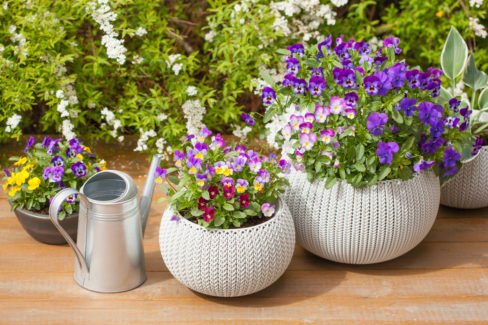
The *Viola* genus—or violets, as most of us call them—is a massive family with over 400 species spread across the globe. These charming, herbaceous perennials are tougher than they look. When you find the right spot for them, they create a hardy, lush groundcover that treats you to those iconic tiny purple-blue blooms every single spring.
Finding the Perfect Spot for Your Violets
Violets are happiest in a warm spot that gets filtered sunlight. Think “dappled shade”—that’s their sweet spot. Sure, they can handle a sunny patch, but you’ll need to be diligent about watering, and they might struggle if your summers get scorching hot. When it comes to soil, they aren’t too picky, but they do have a few preferences to keep them thriving:
- Rich, humus-heavy soil
- Consistently moist (but not soggy!)
- Good drainage
- Loamy or sandy-loam texture
- Medium to high nutrient levels
- A solid drainage layer
While *Viola* loves to keep its “feet” slightly damp, it absolutely hates standing water. I always recommend adding a drainage layer of gravel or broken terracotta pieces before planting. Keeping that consistent moisture is the secret to a massive bloom. If your area hits a dry spell in the spring, make sure to give both your established patches and your new transplants a good drink.
Planting and Care Tips
Violets feel right at home in semi-shaded areas—think along the edges of woodlands or in those open gaps under your hedges. These spots stay cool and moist, which is exactly what they crave. While they enjoy the spring sun during their blooming phase, they really need the protection of overhead foliage once the summer heat kicks in to keep their delicate leaves from frying. Once the flowers fade, toss them some all-purpose fertilizer to help them recharge. After that, you’re good to go—no extra feeding required for the rest of the year!
Great Garden Companions
Violets make a stunning groundcover on their own, but they really pop when paired with the right neighbors. Look for low-growing perennials or spring bulbs that bloom around the same time, like winter aconite, crocuses, and snowdrops.
Other fantastic spring friends include:
- Aubrieta (False Rockcress)
- Saxifrage
- Draba (Whitlow Grass)
- Lily of the Valley
- Bellflowers and Primroses
Sweet violets also look elegant tucked into a rose bed. They’re even hardy enough to thrive under birch trees—a notoriously difficult spot where many other flowering plants give up!