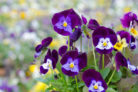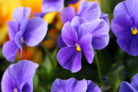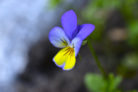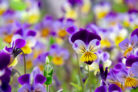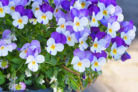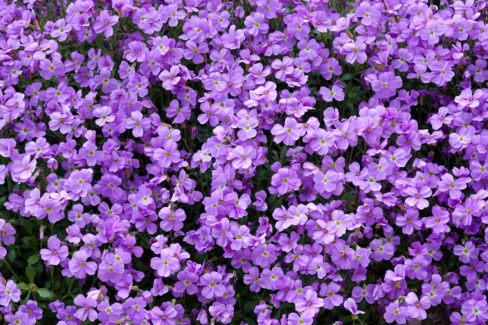
Violets are a true classic and a favorite in gardens all across the globe. For centuries, these fragrant little gems have been the ultimate heralds of spring, being some of the very first flowers to poke their heads out once the winter chill starts to fade. While there are tons of varieties out there, most of us are probably most familiar with the Sweet Violet and the ever-popular Pansy.
Violets: At a Glance
If you’re looking for the quick facts on these garden favorites, here’s everything you need to know in a nutshell:
- Botanical Name: Viola
- Plant Family: Violaceae (the Violet family)
- Diversity: There are over 400 species found worldwide.
- Origins: Most likely native to the Mediterranean region.
- Light Needs: Versatile! They can handle anything from full sun to partial shade or even full shade.
- Type: Primarily grown as ornamental plants.
- Height: Usually stay pretty low to the ground, between 4 to 8 inches.
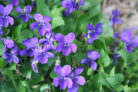
- Flower Color: Classically violet/purple.
- Fruit: They produce small seed capsules.
- Bloom Time: Typically between March and June.
- Foliage: Varies by species, but they often grow in a cute basal rosette (a circle of leaves at the ground level).
- Life Cycle: Can be annuals or biennials.
- Soil: They love well-draining, humus-rich soil that doesn’t dry out completely.
- Propagation: They’re great at self-seeding and also spread via runners.
- Uses: Popular as medicinal plants, fragrance sources, and garden decor.
- Hardiness: Generally very winter-hardy.
- Conservation: In many areas, wild violets are actually protected species.
A Little Something Extra About Violets
Most violets are herbaceous plants, though some can grow into small, bushy mounds. When they bloom in early spring (usually March through April), they release that unmistakable, sweet fragrance that has been a staple in the perfume industry for ages. And of course, that deep purple hue is so iconic it has its own color named after it! If the weather stays mild, you might even get lucky and see a second, lighter bloom in the fall.
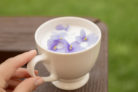
Violets also have a long history in herbal medicine. They contain beneficial compounds like flavonoids, saponins, and salicylic acid. Back in the day, they were commonly used as an expectorant for coughs or as a mild diuretic. While you won’t see them used in modern medicine much anymore, they’ve found a new life in the kitchen. Untreated or candied violets make a gorgeous, edible decoration for cakes and fancy desserts.
Tips for Success in Your Garden
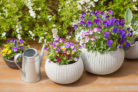
One of the best things about violets is how low-maintenance they are. They’re perfectly happy in dappled shade or a spot with moderate sun. Just make sure the soil is rich in organic matter and stays consistently moist—if you hit a dry spell, you’ll definitely want to get out there with the watering can. You can tuck them into your garden beds in the fall or spring, or plant them in containers and window boxes to brighten up your patio!