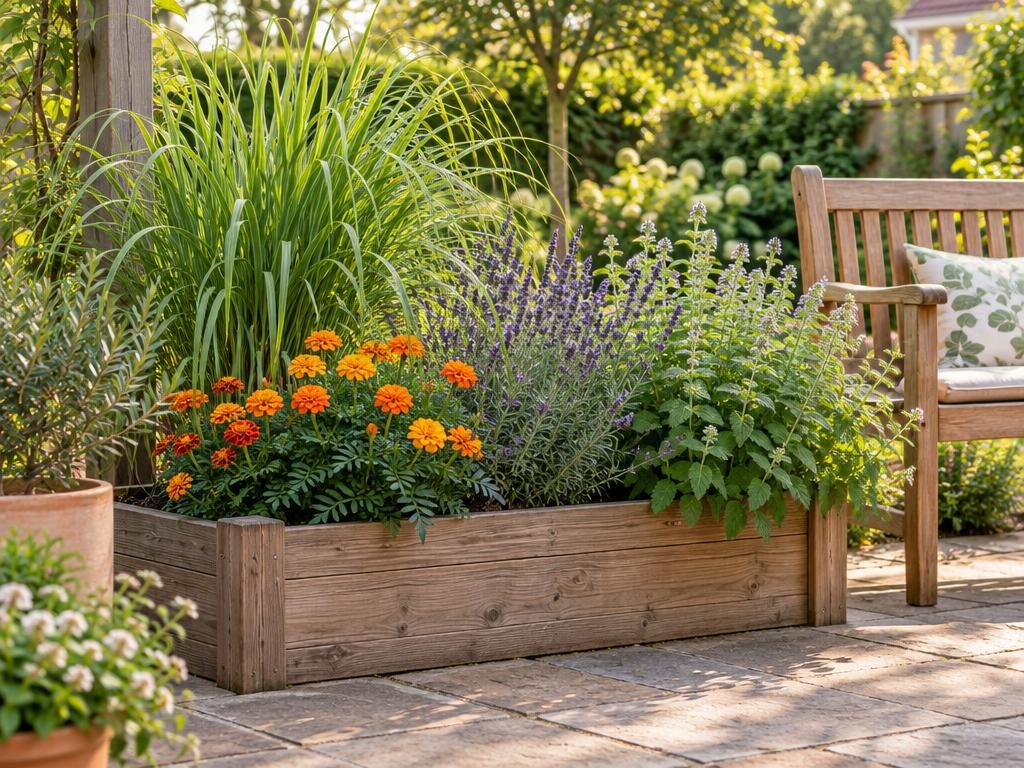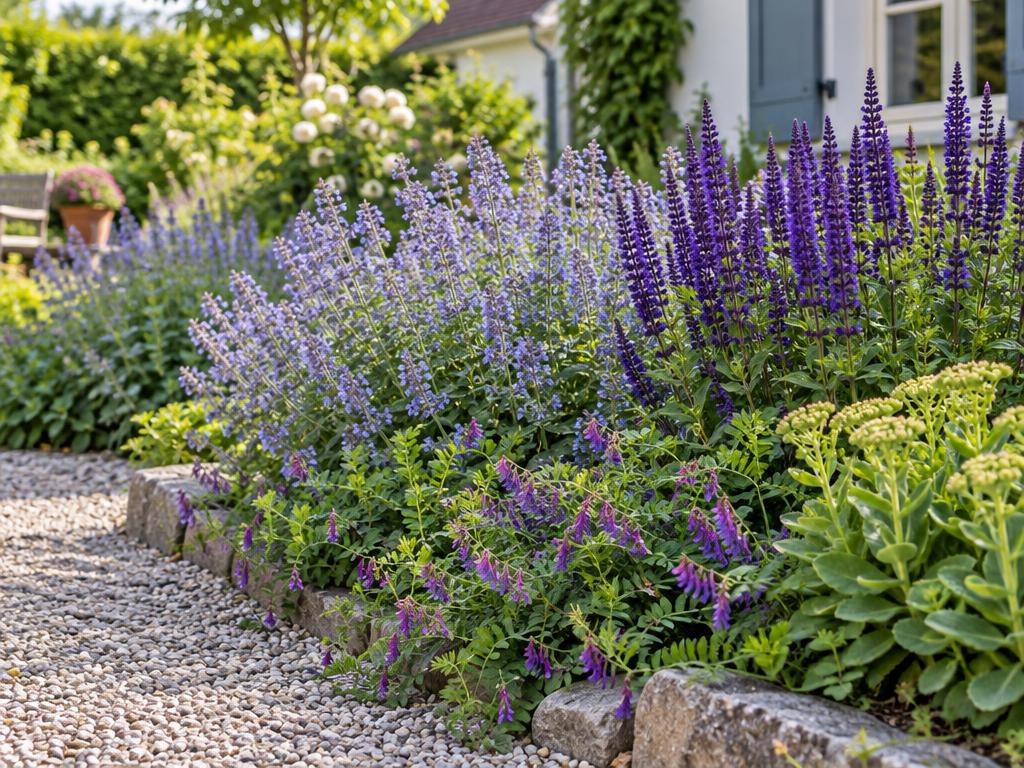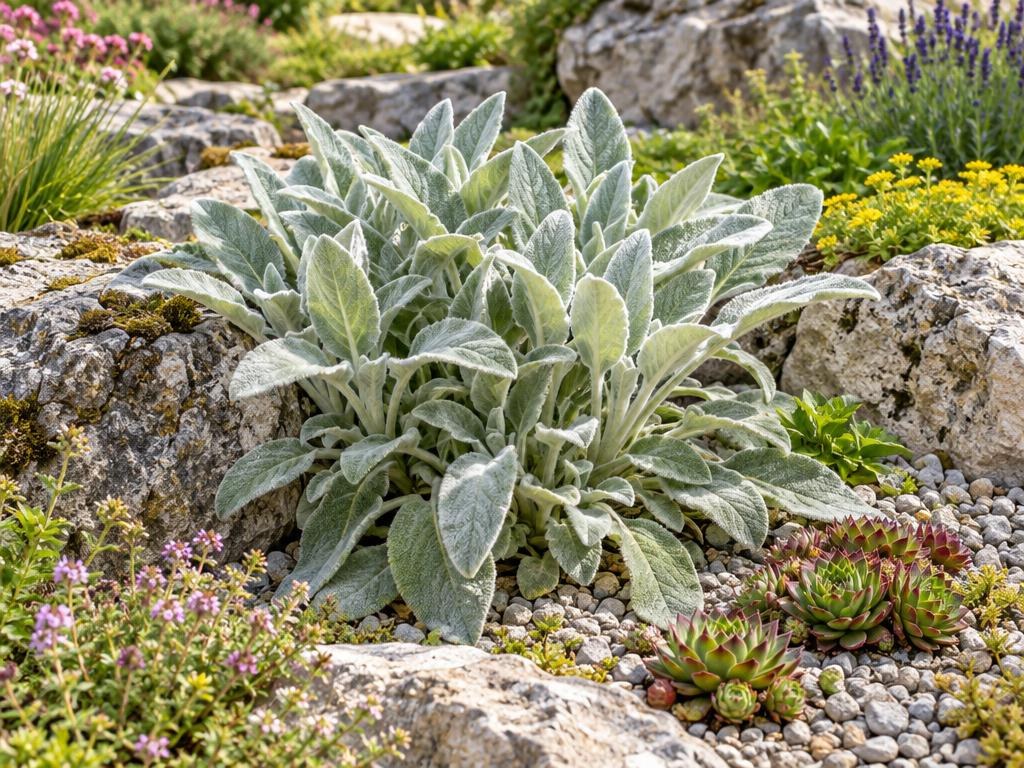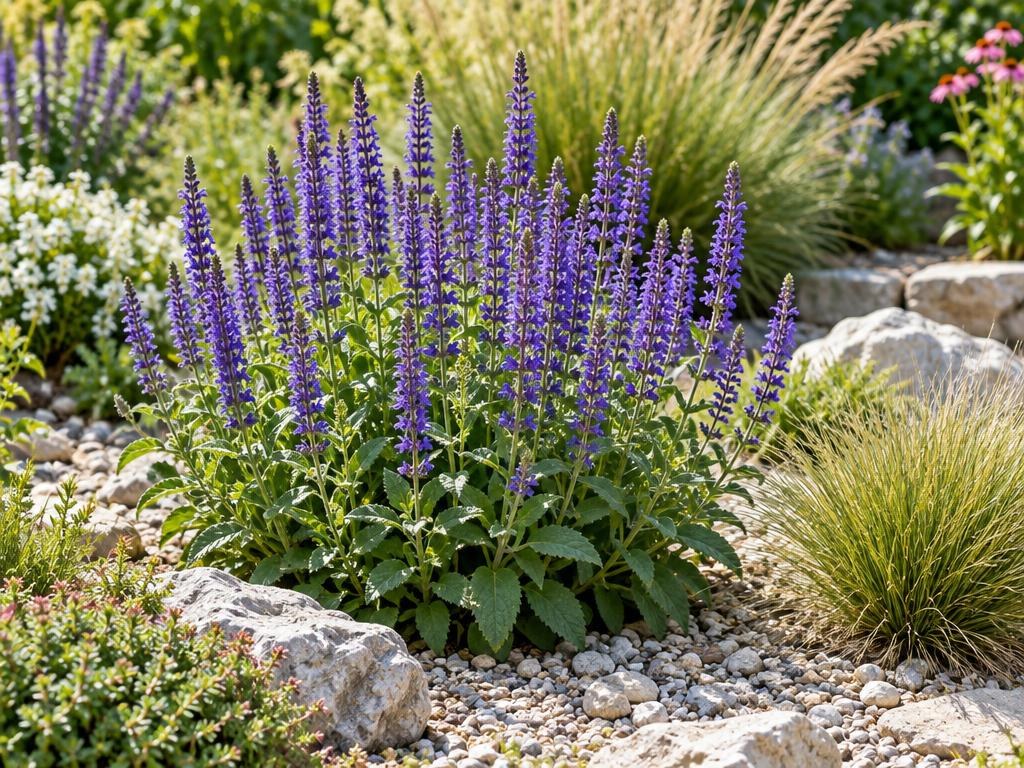
Tired of finding tunnels and chewed-up roots in your garden? You can actually send those pesky voles packing using nothing but mother nature. These plants act as natural deterrents, helping you clear out rodents without reaching for harsh chemicals.
[[pflanzen]]
++Basil (Ocimum basilicum)

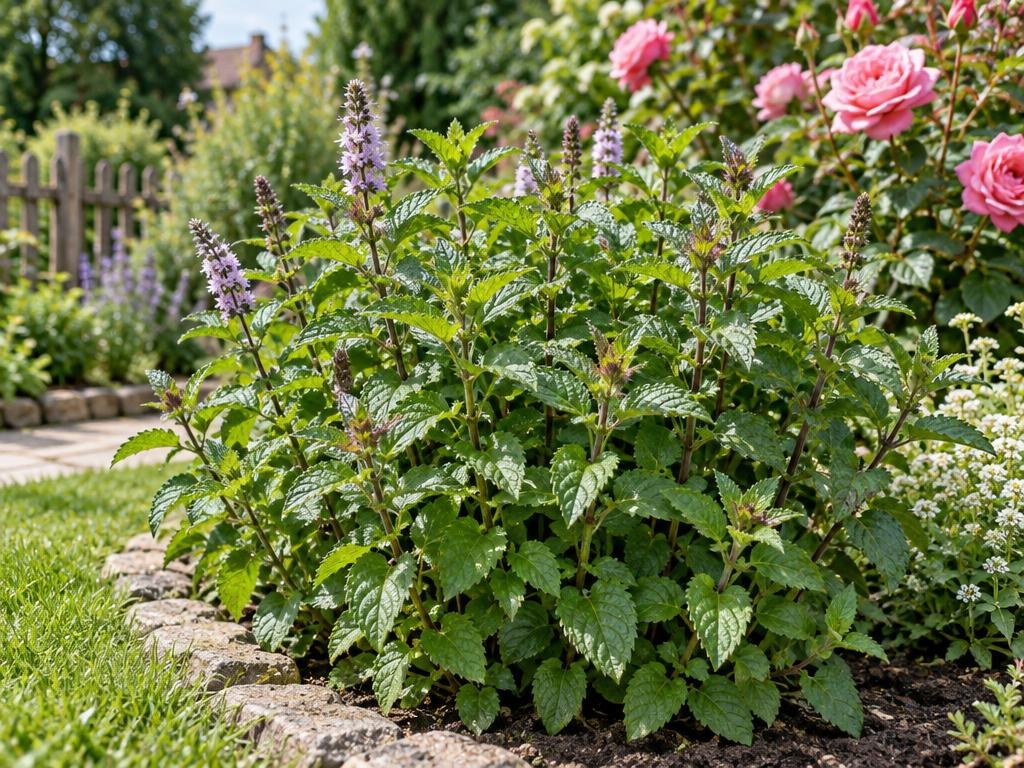
A lot of aromatic herbs give off a scent that voles absolutely hate. While we find the smell of fresh basil delicious, these rodents find it totally repulsive. By planting basil in your garden, you’re hitting two birds with one stone: you get a natural vole repellent and a fresh supply of leaves for your kitchen. You can grab starter plants at your local nursery or easily start them from seed yourself.
++Thyme (Thymus)

The earthy, herbal scent of thyme is another great way to keep voles at a distance. This hardy little shrub is super versatile and can even be grown as a low-growing hedge. This creates a fragrant “fence” that effectively shields your garden beds. Plus, thyme is a low-maintenance champ that survives cold winters with zero fuss, giving you long-term protection.
++Black Elderberry (Sambucus nigra)

It’s not just small herbs that do the trick—shrubs like the Black Elderberry can also help reclaim your yard. This plant features beautiful blossoms and dark berries, both of which are great for making syrups or jams. While the flowers provide a feast for bees and butterflies, the plant itself helps discourage voles from hanging around. Just keep an eye on it; elderberries grow fast, so you’ll want to give them a good prune every now and then.
++Yellow Sweet Clover (Melilotus officinalis)

The bright yellow blooms of sweet clover are a magnet for honeybees, but voles can’t stand the smell of this herb. By planting it, you’re supporting your local pollinators while simultaneously telling the rodents to move out. It’s a beautiful, bee-friendly plant that has also been used traditionally as a medicinal herb.
++Mole Plant / Gopher Spurge (Euphorbia lathyris)

This plant is so famous for scaring off underground pests that it’s literally nicknamed the “Mole Plant.” However, there is one big “heads up” you should know: it’s toxic. Every part of the plant contains a milky sap that can be irritating or poisonous. If you have little ones or pets playing unsupervised in the garden, you might want to skip this one and stick to the herbs instead.
++Garlic (Allium sativus)

Garlic’s pungent aroma doesn’t just ward off vampires—it sends voles running for the hills, too! Once you plant your garlic and it starts to establish itself, the smell becomes a major deterrent. These little rodents will usually avoid the entire area. This makes garlic a perfect “bodyguard” plant to intersperse between your favorite flowers or veggies to keep them safe.
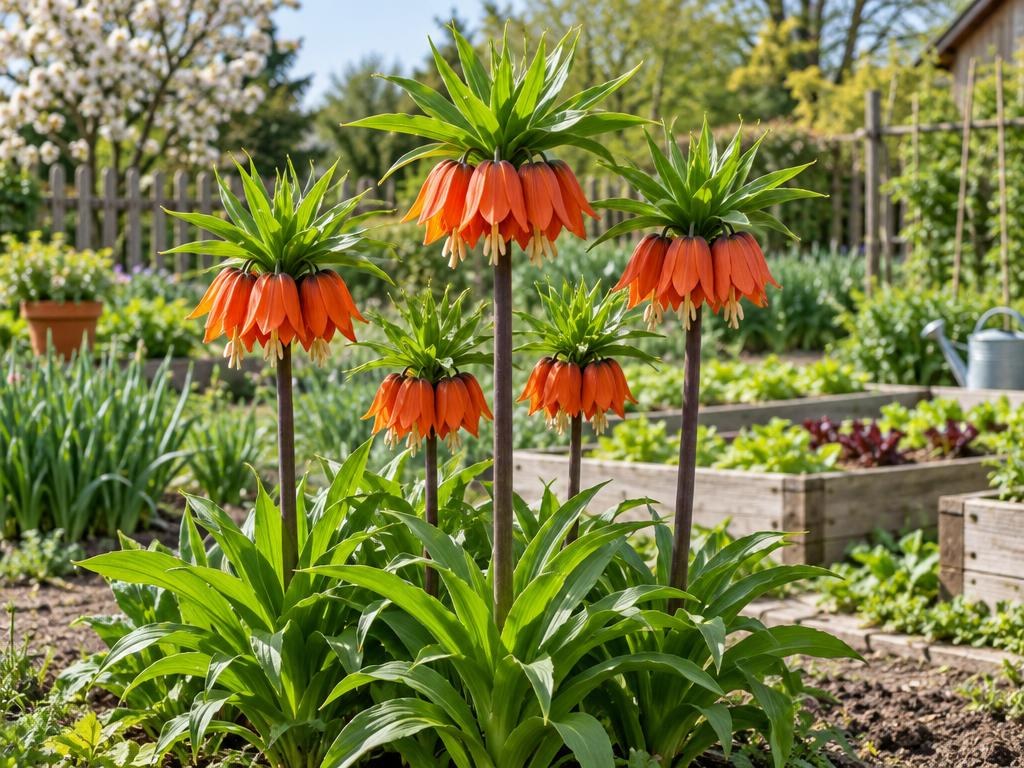
++Crown Imperial (Fritillaria imperialis)

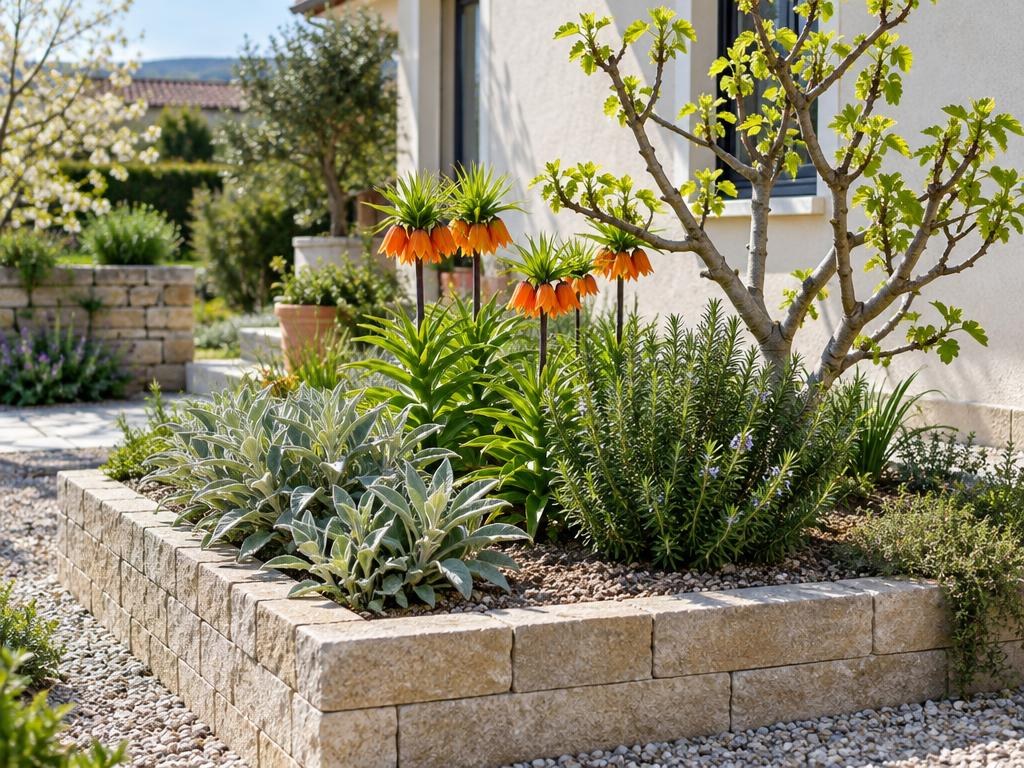
The bulbs of the Crown Imperial have a scent that’s very similar to garlic, which voles find totally offensive. Above ground, however, you get a stunning, regal flower in shades of red, orange, or yellow. It’s a showstopper in any flower bed and does a great job of keeping pests away from your other bulbs. Plant them in the fall so they get the winter chill they need to bloom in the spring. Bonus: they also work against moles!
%%Hound’s Tongue (Cynoglossum officinale)

Hound’s Tongue is another fantastic plant for keeping voles at bay. Starting in May, it produces lovely purple flowers that eventually turn a reddish-brown. The name comes from the shape and texture of the leaves, which feel a bit like a dog’s tongue. This plant is a particularly great choice if you have spots in your garden with sandy soil where other plants might struggle.