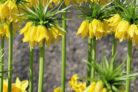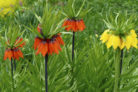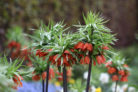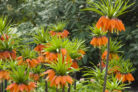
The Crown Imperial isn’t just a showstopper in the garden; it’s got a secret weapon hidden underground. These bulbs give off a specific scent that acts like a “keep out” sign for all sorts of rodents. If you’re dealing with pesky voles ruining your yard, this plant might just be your new best friend.
Crown Imperial Bulbs: A Natural Rodent Repellent
The bulbs of the Crown Imperial are toxic and emit a pungent odor designed to stop critters from taking a nibble. This scent is so strong that voles, moles, and other rodents usually give a wide berth to any part of the garden where these bulbs are buried. For a clever gardener, this is a total game-changer for landscape planning.
Here’s why you’ll love having Crown Imperials around:
- They’re a natural deterrent against voles.
- They chase away uninvited guests without actually harming them.
- You get a built-in pest control system that doubles as a stunning floral display.
How to Put Your Crown Imperials to Work
Now, let’s be real: the scent of these bulbs might not be as “instant” as some chemical pesticides, but they won’t pump toxins into your soil, either. If you’re growing your own veggies and want a clean, organic harvest, natural pest control like this is definitely the way to go. Plus, you get those gorgeous blooms as a bonus!
To get the most out of them, try mixing Crown Imperial bulbs into your existing flower beds or planting them as a protective border. They’re also fantastic for planting around the base of young fruit trees. Since young roots are a favorite snack for voles, the Crown Imperial acts as a bodyguard while the tree gets established. You can even use them to shield your vegetable patch. Just a quick heads-up: since the bulbs are toxic, make sure you don’t accidentally harvest them or mix them up with your edible crops.
The best part? They aren’t high-maintenance at all. Crown Imperials are hardy, so you don’t need to worry about digging them up when the temperature drops. Just make sure they’re in a spot with plenty of sun and consistent moisture so they don’t dry out. If you’re already taking care of a flower bed or a veggie garden, they’ll fit right into your usual routine!