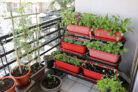
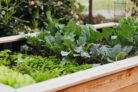
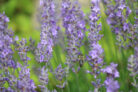
Looking for a way to level up your backyard? These popular edible plants aren’t just easy on the eyes—they’re also perfect for adding a gourmet touch to your home cooking. Here’s a look at what makes them special and a few tips on how to grow them.
[[pflanzen]]
++Curry Plant (Helichrysum italicum)
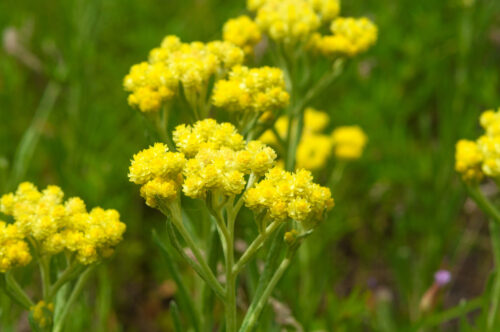
In many gardens, the curry plant is mostly grown for its silvery, ornamental look. But as the name suggests, it’s totally edible! While it’s a staple in Mediterranean spice blends, you can use it at home to add a unique depth to rice dishes and meats. The flavor is a fascinating mix of classic curry notes with a hint of sage. For the best flavor, harvest the young shoot tips and toss them into your favorite recipes while they cook.
++Ramps or Wild Garlic (Allium ursinum)
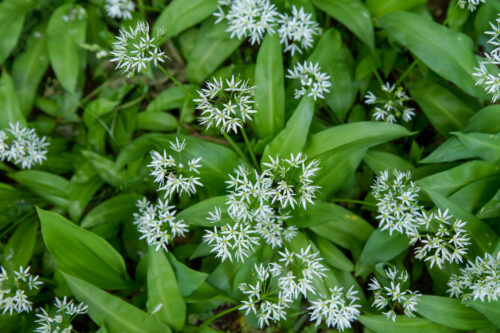
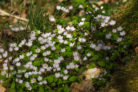
Wild garlic (often called Bärlauch or Ramps) is a fantastic addition to any shady garden spot. Its lush green leaves make a beautiful groundcover, but you have to be careful: they look a lot like Lily of the Valley. Unlike Lily of the Valley, which is toxic, wild garlic is delicious and safe to eat. It spreads quickly in the right conditions, much like it does on the forest floor. The leaves make an incredible pesto, just be sure to harvest them before the plant starts to bloom for the best flavor. You’ll definitely notice that signature garlicky scent in the air!
++Artichoke (Cynara scolymus)
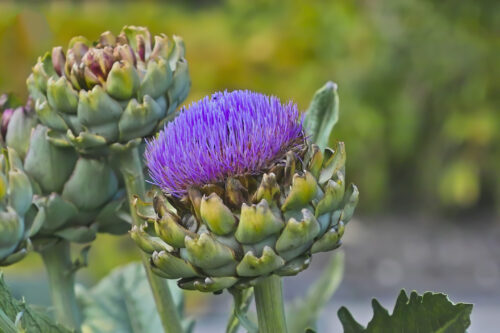
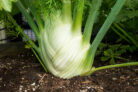
Artichokes are the ultimate “double threat”—they look like high-end architectural art and taste amazing. In fact, the flower heads are so striking they’re often used in floral arrangements. If you’re growing them for the kitchen, make sure to harvest the buds while they’re still tight. They are perfect for homemade antipasti, but there are countless ways to turn an artichoke into the star of your dinner table.
++Arugula (Eruca vesicaria ssp. sativa)
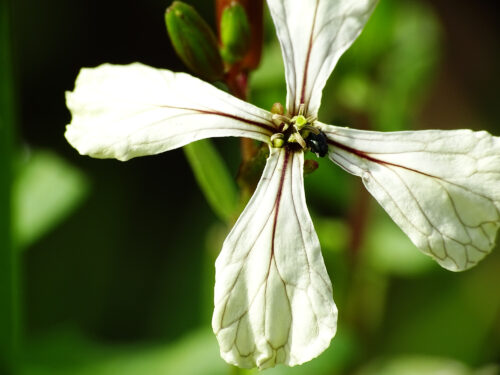
If you want a leafy green that grows with a bit of a “wild” vibe, arugula is your best friend. Also known as rocket, this plant has seen a huge comeback in recent years and is now a salad staple. The leaves have a bright, peppery, and slightly nutty flavor that pairs perfectly with other greens or stands alone in a zesty pesto. It’s super easy to grow and adds a fresh kick to almost any meal.
++Sage (Salvia)
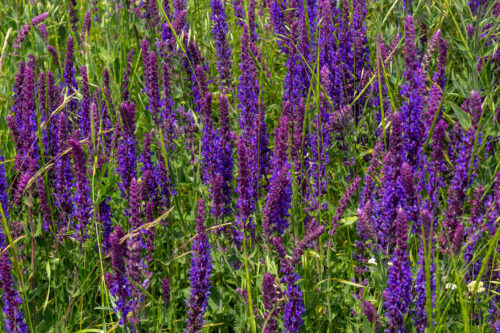
Sage is a classic for a reason. It’s a hardy edible that looks great with its soft, dusty-green foliage. If you rub a leaf between your fingers, you’ll instantly recognize that earthy, aromatic scent. While it’s long been used as a medicinal herb, it’s a powerhouse in the kitchen. It’s the essential ingredient for dishes like Saltimbocca, and it brings a wonderful warmth to roasted veggies and pasta sauces.
++Thymian (Thymus)
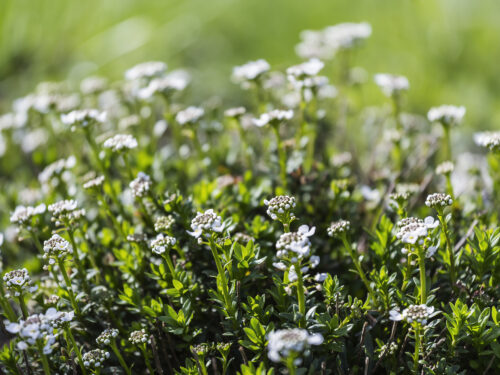
Thyme is another must-have herb for your collection. It grows in low, bushy mounds with tiny green leaves that pack a punch. When it blooms, it produces delicate flowers that bees and other pollinators absolutely love. Thyme is incredibly versatile in the kitchen—it’s one of those rare herbs that tastes just as good in a summer salad as it does in a heavy winter stew.
++English Lavender (Lavendula officinalis)
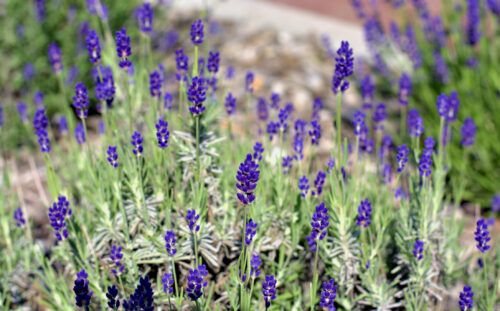
Most people plant English Lavender for its iconic purple blooms and relaxing fragrance, but did you know it’s edible too? The flowers are full of essential oils that provide a very specific floral flavor. You can use them to make lavender-infused sugar for desserts or add a sophisticated touch to savory braised dishes. As a bonus, lavender is known for keeping wasps away from your patio!
%%Nasturtium (Tropaeolum)
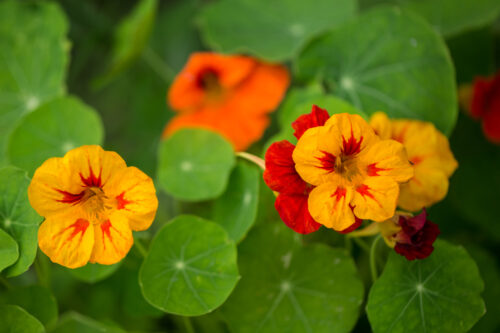
Looking for something with a little extra “wow” factor? Try planting nasturtiums. Both the leaves and the flower buds are edible, offering a spicy, peppery kick similar to watercress. But the real showstoppers are the vibrant, bold flowers. They look just as beautiful trailing out of a balcony window box as they do scattered across a summer salad.