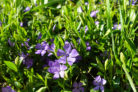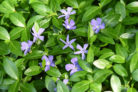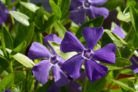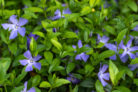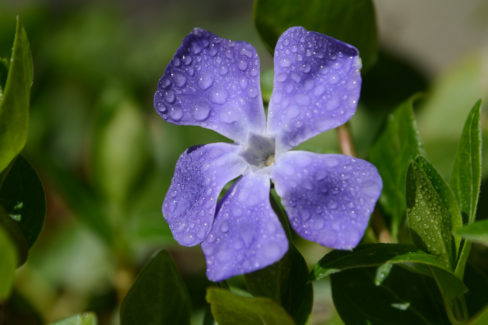
Vinca minor, also known as Periwinkle or Creeping Myrtle, is one of those “set it and forget it” groundcovers that rewards you with a gorgeous carpet of blooms every summer. While you don’t want to baby these plants with too much water, getting your irrigation routine right is key to a lush garden. If you follow these simple watering tips, your Vinca will definitely show its thanks with a sea of flowers.
Watering After Planting
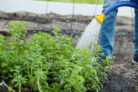
Even right after planting, Periwinkle is pretty low-maintenance and settles in quickly. When you give them that first soak, I recommend using a watering can without the rose attachment or a steady stream from the garden hose. This isn’t just to quench their thirst; it helps settle the soil and close up any air pockets around the roots. For that first year, keep a close eye on them. You’ll want to water based on the “vibe” of the weather—if it’s hot and dry, they’ll need a bit more love than during a rainy spell.
How Much Water is Enough?
Once your groundcover has been in the ground for about a year, it’s usually well-established and won’t need a regular watering schedule anymore. Since the best spot for these plants is usually in partial to full shade, the soil tends to stay naturally moist. However, during those brutal summer heatwaves, even shade-lovers get thirsty. You don’t need to water them every day; instead, aim for a deep soak about twice a week, giving each plant roughly a gallon (3-5 liters) of water.
Watering Potted Plants
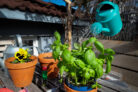
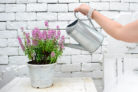
Periwinkle is famously easy-going, but if you’re growing it in containers on your balcony or patio, you’ll need to be a bit more attentive. Since the roots are limited by the pot and can’t reach deep into the earth for moisture, you’ll want to make sure the soil stays consistently hydrated.
Winter Watering
As the name “Lesser Periwinkle” (or *Immergrün* in German) suggests, this plant stays green all through the fall and winter. Because it keeps its leaves, it continues to lose moisture even when it’s cold out. Make sure to check the soil moisture during dry winter spells and give your plants a little water on days when the ground isn’t frozen.