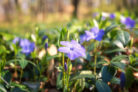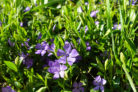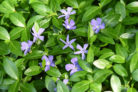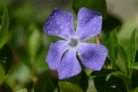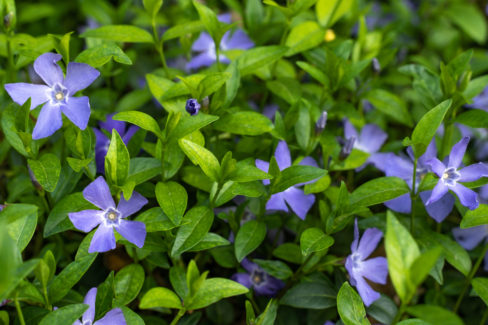
Periwinkle (Vinca minor) is an absolute superstar when it comes to ground covers. With its charming little violet blooms, it doesn’t just catch the eye of local bees—it also gives your garden that dreamy, wild-romantic vibe we all love. If you’re looking to add some to your yard, here are a few tips to get you started.
The Best Time to Plant
Technically, you can tuck Lesser Periwinkle into the ground almost any time of year, but spring and fall are the “sweet spots.” The most important thing is to make sure the ground isn’t frozen when you’re digging. Don’t sweat it if a cold snap hits after you’ve planted, though; Vinca minor is a tough cookie and can handle a little frost without breaking a sweat.
Designing Your Flower Bed
Ground covers are the ultimate “fillers” for those awkward bare spots in your garden beds. When you’re picking out companion plants, don’t just look at the bloom time and color. Pay attention to the shape of the flowers, too! Mixing up different shapes adds great visual texture. Pro tip: If you’re sticking to a limited color palette, varying the flower shapes becomes even more important for keeping things interesting.
How to Plant Step-by-Step
- Gently remove the plant from its nursery pot and give the root ball a good, deep soak in water.
- Dig a hole and set the plant in so it sits at the same depth it was in the pot.
- Fill the hole back in with soil and give it a light press to firm it up.
- Water it well one more time to help the roots settle into their new home and start growing fast.
Getting the Spacing Right
Lesser Periwinkle is a fast grower and very resilient. You’ll want to be mindful of your spacing because this plant loves to spread out! On average, it grows about 2 to 6 inches every year. If you space your plants about 10 to 12 inches apart, each one has enough room to really shine. This means you only need about 7 plants to cover a square yard. It’s a great way to save a little money on your landscaping—you just need a tiny bit of patience while it fills in.
A Quick Safety Note
While it’s beautiful, Periwinkle is part of the dogbane family and is toxic. If you have curious toddlers or pets running around, you’ll want to be extra careful. Those pretty purple flowers can be very tempting for little ones, but every part of the plant is dangerous if ingested. I always recommend wearing a pair of gardening gloves when you’re handling them, just to be safe!